
Polyvinyl Acetate Supplier in Kenya | Olinc Chemical Suppliers
Polyvinyl Acetate (PVAc) is a synthetic thermoplastic polymer widely used as an adhesive, binder, film-forming agent and resin in industrial and commercial manufacturing. It is particularly popular in the production of wood adhesives, white glue, paper adhesives, packaging adhesives, paints, coatings, textile finishes and construction-related formulations.
Polyvinyl Acetate is valued for its strong adhesion to porous materials, good film-forming properties, flexibility, binding performance and suitability for water-based formulations. When supplied as a water-based emulsion, it can be applied as a liquid and forms an adhesive film as the water evaporates. When supplied as a solid resin, it can be used in suitable solvent-based or other polymer-processing systems.
Also known as PVAc, Poly(vinyl acetate), Vinyl Acetate Polymer, Vinyl Acetate Resin and Vinyl Acetate Homopolymer, this versatile polymer is an important raw material for manufacturers looking for reliable bonding and binding performance.
Olinc Chemical Suppliers welcomes enquiries from manufacturers and industrial buyers looking for Polyvinyl Acetate in Nairobi, Kenya, Uganda and Tanzania. Contact us to enquire about available forms, grades, specifications, packaging and bulk-order pricing.
Other Names and Synonyms of Polyvinyl Acetate
Polyvinyl Acetate is marketed and identified under several chemical, technical and commercial names. Knowing these names can help buyers identify the correct product when comparing suppliers or requesting quotations.
Common chemical and alternative names:
-
Polyvinyl Acetate
-
Poly(vinyl acetate)
-
PVAc
-
PVAC
-
Polyvinyl Acetate Polymer
-
Vinyl Acetate Polymer
-
Vinyl Acetate Resin
-
Vinyl Acetate Homopolymer
-
Polyvinyl Acetate Homopolymer
-
Ethenyl Acetate Homopolymer
-
Poly(ethenyl acetate)
-
Acetic Acid Ethenyl Ester, Homopolymer
-
Acetic Acid Vinyl Ester Polymer
-
Acetic Acid Vinyl Ester, Polymers
-
Vinyl Acetate Homopolymer Resin
-
Polyvinyl Acetate Resin
-
Vinyl Resin
-
PVAc Resin
-
PVAc Emulsion
-
Polyvinyl Acetate Emulsion
-
Vinyl Emulsion
-
White Glue Resin
Commercial and trade names buyers may encounter:
-
Vinac
-
Vinamul
-
Vinnapas
-
Mowilith
-
Mowilith D
-
Mowilith 30
-
Gelva
-
Duvilax
-
Polyco
-
Polysol
-
Rhodopas
-
Elvacet
-
Elmer’s Glue-All
-
Cascorez
-
Cemedine
-
Vinacet
-
Vinalite
-
Vinapol
-
Everflex
-
Resyn
-
Bakelite AYAA
-
Bakelite AYAF
-
Bakelite AYAT
-
Ucar
-
Toabond
-
Cevian
-
Vinipaint
-
Gohsenyl
-
En-Cor
-
Polyfox
-
Lemac
These commercial names refer to particular manufacturers, product families or formulations. They are not necessarily identical grades or direct equivalents. Confirm the manufacturer, grade and technical data sheet before purchasing.
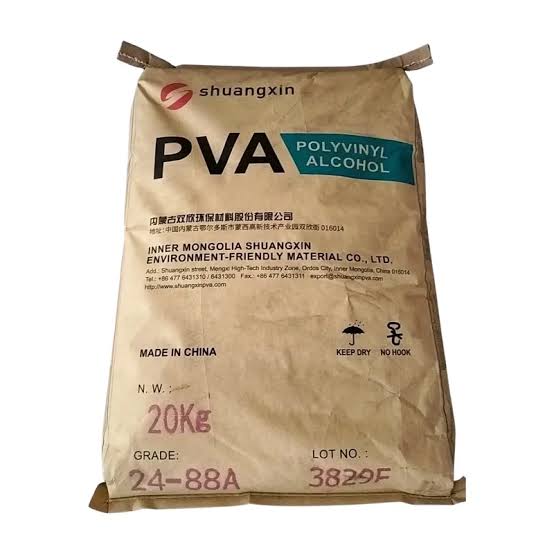
Important: Do not confuse PVAc with PVA.
The abbreviation PVA is sometimes used informally for Polyvinyl Acetate, but it is also widely used for Polyvinyl Alcohol, a different polymer. Polyvinyl Alcohol is produced by hydrolysing Polyvinyl Acetate and has different properties and applications.
When requesting a quotation, use the full name Polyvinyl Acetate (PVAc) to avoid receiving the wrong product.
Publications Canada+1
Chemical Identification and Basic Specifications
| Property | Details |
|---|---|
| Product name | Polyvinyl Acetate |
| Common abbreviation | PVAc |
| Chemical formula | (C₄H₆O₂)ₙ |
| CAS number | 9003-20-7 |
| EC number | 618-358-7 |
| Polymer type | Synthetic thermoplastic polymer |
| Monomer | Vinyl acetate |
| Appearance | Depends on supplied form |
| Emulsion form | Usually white or milky liquid |
| Solid resin form | White to colourless solid, beads, granules or other forms |
| Water behaviour | Emulsion is water-dispersed; solid PVAc is not generally water-soluble |
| Main functions | Adhesive, binder, film former and resin |
PVAc is produced through the polymerisation of vinyl acetate monomer. Its polymer structure gives it useful adhesive and film-forming properties.
Understanding the Different Forms of Polyvinyl Acetate
Polyvinyl Acetate is supplied in different physical forms depending on its intended application and processing requirements.
Polyvinyl Acetate Emulsion
Polyvinyl Acetate Emulsion is a water-based dispersion of PVAc polymer particles. It is commonly supplied as a white or milky liquid and is widely used in adhesive manufacturing.
When applied to suitable surfaces, the water evaporates and the dispersed polymer particles form a continuous adhesive film that bonds the materials together.
Common applications:
-
White wood glue.
-
Furniture adhesives.
-
Paper adhesives.
-
Bookbinding adhesives.
-
Packaging adhesives.
-
Paper converting.
-
Carton sealing formulations.
-
Textile binding and finishing.
-
Selected water-based paints.
-
Construction-related adhesive formulations.
Why manufacturers choose PVAc emulsion:
-
Convenient water-based application.
-
Good adhesion to porous materials.
-
Useful film-forming properties.
-
Easy incorporation into many water-based formulations.
-
Good bonding performance in suitable applications.
-
Available in different viscosity and solids-content grades.
Solid Polyvinyl Acetate Resin
Solid PVAc Resin is supplied in a solid form, which may include beads, granules, pellets or other manufacturer-specific forms.
It is used in applications where the polymer needs to be dissolved, processed or incorporated into a suitable formulation.
Common applications:
-
Industrial adhesives.
-
Packaging adhesives.
-
Specialty coatings.
-
Film-forming systems.
-
Selected printing and surface-coating formulations.
-
Polymer compounding.
-
Adhesive and resin manufacturing.
Solid PVAc grades differ in molecular weight, viscosity characteristics, softening behaviour and solubility. A grade intended for one formulation may not work in another.
Polyvinyl Acetate Homopolymer
A PVAc homopolymer is produced using vinyl acetate as the sole polymer-forming monomer. It is the conventional form of Polyvinyl Acetate.
It is commonly used in adhesives, binders, coatings and other applications requiring the characteristic properties of PVAc.
Modified PVAc and Copolymer Emulsions
Some products sold in adhesive and coating markets are modified PVAc systems or copolymers designed to improve particular performance characteristics.
Depending on the formulation, modifications may improve:
-
Adhesion to different substrates.
-
Flexibility.
-
Water resistance.
-
Heat resistance.
-
Film formation.
-
Wet tack.
-
Mechanical strength.
Purchasing note: A modified PVAc, VAE or acrylic copolymer is not automatically equivalent to pure PVAc homopolymer. Confirm the polymer composition and application suitability before substituting one product for another.
Industrial Applications of Polyvinyl Acetate
Wood Adhesive and Furniture Manufacturing
One of the best-known applications of Polyvinyl Acetate is the manufacture of wood adhesives.
PVAc emulsions are commonly used in white wood glue because they bond suitable porous wood surfaces and form a strong adhesive film after drying.
Applications include:
-
Furniture manufacturing.
-
Cabinet making.
-
Joinery.
-
Wooden doors.
-
Wooden windows.
-
Plywood-related bonding applications.
-
Wood panels.
-
Interior carpentry.
-
Woodworking workshops.
-
General-purpose wood glue production.
Benefits in wood adhesives:
-
Good bonding to suitable wood surfaces.
-
Easy application.
-
Good initial tack in appropriate formulations.
-
Clear or nearly clear glue lines after drying, depending on the grade.
-
Convenient water-based processing.
-
Suitable for many furniture and interior woodworking applications.
Important: Standard PVAc wood glue is not automatically waterproof. Buyers manufacturing exterior furniture or products exposed to moisture should select an adhesive grade tested for the required water-resistance classification and intended service conditions.
Paper and Packaging Industry
PVAc is widely used in paper and packaging applications because of its ability to bond porous paper-based materials.
Applications include:
-
Paper bag manufacturing.
-
Carton manufacturing.
-
Corrugated packaging.
-
Bookbinding.
-
Paper lamination.
-
Envelope manufacturing.
-
Label adhesives.
-
Paper converting.
-
Cardboard bonding.
-
Packaging assembly.
Benefits:
-
Good adhesion to paper and cardboard.
-
Useful film formation.
-
Suitable for various water-based adhesive systems.
-
Good bonding performance in appropriately designed packaging formulations.
White Glue and General-Purpose Adhesives
Polyvinyl Acetate is a major polymer used in many general-purpose white glues.
It is used to manufacture:
-
School glue.
-
Craft glue.
-
Office adhesives.
-
Household adhesives.
-
Paper glue.
-
Wood glue.
-
General-purpose bonding products.
The adhesive formulation may contain other ingredients such as water, preservatives, thickeners, plasticisers, defoamers and other performance additives.
Paints and Coatings
PVAc is used in selected water-based paint and coating formulations as a binder.
Applications include:
-
Interior decorative coatings.
-
Certain emulsion paint systems.
-
Primers.
-
Paper coatings.
-
Decorative coatings.
-
Selected surface-finishing products.
The binder helps hold pigment and filler particles together and contributes to the formation of a film on the applied surface.
The exact suitability depends on the grade, formulation and required durability. For demanding exterior coatings, manufacturers may prefer acrylic, styrene-acrylic or other polymer systems with better weathering and water-resistance characteristics.
Textile Industry
Polyvinyl Acetate is used in selected textile applications as a binder and film-forming polymer.
Applications may include:
-
Textile printing binders.
-
Fabric finishing.
-
Nonwoven fabric bonding.
-
Textile coating.
-
Selected fibre-binding formulations.
-
Decorative fabric treatments.
The appropriate grade depends on the fabric, required flexibility, washing performance and processing method.
Construction and Building Materials
PVAc is used in selected construction-related formulations where adhesion and binding properties are required.
Applications include:
-
Certain construction adhesives.
-
Selected wall and surface coatings.
-
Paper-faced building materials.
-
Selected cement-compatible bonding formulations.
-
Decorative finishing products.
-
Certain repair and maintenance formulations.
Important: PVAc is not a universal cement additive. Its suitability for concrete, mortar or cement-based systems depends on the product formulation, substrate, moisture exposure and manufacturer’s technical recommendations.
Bookbinding and Publishing
PVAc emulsions are used in bookbinding because they can bond paper, cardboard and other suitable materials.
Applications include:
-
Book covers.
-
Paper binding.
-
Magazine production.
-
Document binding.
-
Notebook manufacturing.
-
Printed material assembly.
Footwear and Leather Applications
Selected PVAc-based formulations may be used in certain footwear, leather and textile-related adhesive applications.
However, not every PVAc grade is suitable for footwear assembly. Applications involving flexible materials, leather, rubber or demanding service conditions may require specialised adhesive chemistry.
Industrial Coatings and Film Formation
PVAc is also used in selected coating and film-forming systems.
It can contribute to:
-
Surface binding.
-
Film formation.
-
Adhesion.
-
Pigment binding.
-
Coating cohesion.
-
Surface appearance.
Specialty and Other Applications
Depending on the grade and formulation, PVAc may also be used in:
-
Selected paper treatment systems.
-
Packaging and labelling.
-
Adhesive tapes.
-
Decorative products.
-
Art materials.
-
Certain sound-damping and laminated products.
-
Selected polymer and resin formulations.
These applications should be matched to the correct grade and supporting technical documentation.
Key Benefits of Polyvinyl Acetate
Manufacturers choose Polyvinyl Acetate because it offers a useful combination of bonding, binding and film-forming properties.
Good adhesive performance: Bonds suitable porous materials such as wood, paper and cardboard.
Excellent film formation: Forms a continuous polymer film as water evaporates from suitable emulsions.
-
Good binding properties: Helps bind pigments, fillers and other formulation ingredients.
-
Versatile applications: Used in adhesives, paints, paper, packaging, textiles and coatings.
-
Water-based formulation options: PVAc emulsions allow convenient water-based processing.
-
Good initial tack in suitable grades: Useful in applications where materials need to hold together during assembly.
-
Clear or translucent adhesive films: Many PVAc adhesive formulations dry to a relatively clear finish.
-
Formulation flexibility: Different grades are available with varying viscosity, solids content and molecular weight.
-
Established industrial use: Widely used in commercial adhesive and coating manufacturing.
The final performance depends on the specific grade, formulation, substrate and drying conditions.
Grades of Polyvinyl Acetate and How to Select Them
PVAc grades are often distinguished by their physical form, solids content, viscosity, molecular weight, formulation and intended use.
| Grade or type | Typical application |
|---|---|
| Wood Adhesive Grade | Wood glue and furniture bonding |
| Paper Adhesive Grade | Paper, cardboard and bookbinding |
| Packaging Adhesive Grade | Cartons, labels and packaging |
| General-Purpose Emulsion | White glue and multipurpose adhesives |
| Industrial PVAc Emulsion | Industrial bonding and binding |
| Paint Binder Grade | Selected water-based paints and coatings |
| Textile Binder Grade | Textile printing and finishing |
| Solid PVAc Resin | Resin processing and selected adhesive formulations |
| High-Molecular-Weight PVAc | Selected applications requiring particular viscosity and film properties |
| Modified PVAc | Formulations requiring enhanced application-specific performance |
What is the difference between viscosity and solids content?
These are two important specifications when purchasing PVAc emulsion.
Viscosity measures the resistance of the emulsion to flow. It affects pumping, mixing, spreading, application and the final formulation.
Solids content indicates the proportion of non-volatile material in the emulsion. It is important for calculating the actual amount of polymer delivered in a liquid product.
For example, two PVAc emulsions supplied in similar-looking containers may have different solids contents and viscosities. They may therefore behave differently in the same adhesive formulation.
Technical Specifications to Check Before Buying
Before purchasing Polyvinyl Acetate, request the manufacturer’s Technical Data Sheet (TDS) and Certificate of Analysis (COA).
For PVAc emulsion, check:
| Specification | Why it matters |
|---|---|
| Polymer type | Confirms whether it is PVAc homopolymer or a modified system |
| Solids content | Indicates the amount of polymer solids |
| Viscosity | Determines flow and application characteristics |
| pH | Important for formulation compatibility |
| Appearance | Helps identify the expected colour and physical condition |
| Density | Useful for formulation and volume calculations |
| Particle size | Can influence stability and film formation |
| Minimum film-forming temperature (MFFT) | Helps determine suitable application and drying conditions |
| Film properties | Indicates the expected flexibility and bonding characteristics |
| Storage stability | Important for shelf-life and handling |
For solid PVAc resin, check:
-
Molecular weight.
-
Viscosity or intrinsic/inherent viscosity.
-
Softening behaviour.
-
Glass transition temperature (Tg).
-
Solubility in the intended processing medium.
-
Appearance and physical form.
-
Residual monomer, where specified.
-
Purity and relevant impurity limits.
Published technical data for solid PVAc demonstrate that molecular weight, density and glass transition temperature can vary by grade. Do not apply a specification from one manufacturer’s product to every PVAc resin.
Scientific Polymer Products+2
How to Choose the Correct PVAc for Your Application
The easiest way to select the right product is to start with what you intend to manufacture.
| Your manufacturing requirement | What to enquire about |
|---|---|
| Wood glue | Wood adhesive-grade PVAc emulsion |
| Paper glue | Paper adhesive-grade PVAc emulsion |
| Carton and packaging glue | Packaging-grade PVAc emulsion |
| School or white glue | General-purpose adhesive emulsion |
| Paint manufacturing | Suitable PVAc binder grade |
| Textile printing | Textile-compatible binder grade |
| Solid resin processing | PVAc resin in the required molecular-weight range |
| Specialty coatings | Grade matched to the coating system |
When requesting a quotation, provide the intended application, required quantity, preferred form and any existing product specification. If you are replacing a grade already used in production, share its TDS or product code so that a suitable alternative can be evaluated.
Polyvinyl Acetate Compared with Similar Chemicals
Buyers sometimes confuse PVAc with other polymers used in adhesives, paints and coatings. Although they may serve related purposes, their chemical structures and performance are different.
| Product | Main characteristics | Common applications |
|---|---|---|
| Polyvinyl Acetate (PVAc) | Adhesive and film-forming polymer | Wood glue, paper glue, binders |
| Polyvinyl Alcohol (PVOH/PVA) | Water-soluble polymer | Paper adhesives, textile sizing, protective colloids |
| Ethylene Vinyl Acetate (EVA) | Flexible copolymer | Hot-melt adhesives, footwear, flexible products |
| Vinyl Acetate Ethylene (VAE) | Water-based copolymer dispersion | Paints, adhesives and coatings |
| Acrylic Polymer Emulsion | Polymer binder with application-specific weathering and film properties | Paints, coatings and adhesives |
| Styrene-Butadiene Latex (SBR) | Synthetic rubber latex | Paper coatings, construction and carpet backing |
PVAc vs Polyvinyl Alcohol
PVAc and Polyvinyl Alcohol are different materials.
-
PVAc is widely used as an adhesive and film-forming polymer.
-
Polyvinyl Alcohol is a water-soluble polymer commonly used in textile sizing, paper applications and adhesive formulations.
-
Polyvinyl Alcohol is produced through the hydrolysis of Polyvinyl Acetate.
PVAc vs EVA
PVAc is a vinyl acetate homopolymer, whereas EVA is a copolymer made from ethylene and vinyl acetate.
EVA is generally associated with flexibility, foam products and hot-melt adhesive applications, while PVAc is especially well known for water-based wood and paper adhesives.
PVAc vs VAE
VAE is a copolymer of vinyl acetate and ethylene. It is often used in water-based adhesives, paints and coatings where flexibility and other performance characteristics are required.
Do not substitute PVAc, PVOH, EVA and VAE simply because their names contain vinyl acetate or because they are used in adhesives. Their performance and processing requirements differ.
Packaging Options for Polyvinyl Acetate
Packaging depends on whether the product is supplied as an emulsion or solid resin.
PVAc emulsion may be supplied in:
-
20 kg or 25 kg pails.
-
50 kg containers.
-
200 kg drums.
-
1,000 kg IBC containers.
Solid PVAc resin may be supplied in:
-
Small industrial bags.
-
20 kg or 25 kg bags.
-
Sealed cartons or containers.
-
Other manufacturer-specific packaging.
These are common commercial packaging formats, not a guarantee of Olinc’s current stock or available pack sizes. Contact us to confirm the available packaging, quantity and supply arrangements.
Storage and Handling of Polyvinyl Acetate
Proper storage is important for maintaining the quality and performance of PVAc.
Storage of PVAc Emulsion
-
Store in tightly sealed original containers.
-
Protect from extreme heat and direct sunlight.
-
Prevent freezing, as freezing can damage the emulsion.
-
Avoid contamination with dirt, rust, incompatible chemicals or other materials.
-
Stir gently when recommended by the manufacturer.
-
Follow the manufacturer’s recommended temperature range.
-
Do not return contaminated material to the original container.
Storage of Solid PVAc Resin
-
Store in a cool, dry and well-ventilated area.
-
Keep bags or containers sealed.
-
Protect from moisture and contamination.
-
Avoid excessive heat.
-
Follow the manufacturer’s storage recommendations.
Handling Precautions
-
Consult the product-specific SDS before use.
-
Wear suitable protective gloves and safety goggles.
-
Avoid unnecessary skin and eye contact.
-
Provide adequate ventilation.
-
Clean spills promptly using the recommended procedure.
-
Avoid releasing large quantities of emulsion into drains or waterways.
-
Observe good industrial hygiene.
Safety note: PVAc polymer and commercial PVAc emulsions should not be assumed to have identical hazard classifications. The exact formulation may contain preservatives, residual monomer or other additives. Always follow the SDS for the particular grade supplied.
Frequently Asked Questions About Polyvinyl Acetate
What is Polyvinyl Acetate used for?
Polyvinyl Acetate is mainly used in adhesive and binder manufacturing. Its applications include wood glue, paper adhesives, bookbinding, packaging, paints, coatings, textile finishing and selected construction-related products.
What is another name for Polyvinyl Acetate?
It is also known as PVAc, Poly(vinyl acetate), Vinyl Acetate Polymer, Vinyl Acetate Resin and Vinyl Acetate Homopolymer.
What is the CAS number of Polyvinyl Acetate?
The CAS number is 9003-20-7.
Is Polyvinyl Acetate the same as PVA?
The abbreviations can be confusing. PVAc means Polyvinyl Acetate, while PVA commonly means Polyvinyl Alcohol. They are different polymers with different properties and uses. Always confirm the full chemical name when ordering.
Is Polyvinyl Acetate used to manufacture wood glue?
Yes. PVAc emulsion is widely used to manufacture white wood glue and other woodworking adhesives because of its bonding properties and suitability for water-based adhesive formulations.
Is Polyvinyl Acetate water-soluble?
Solid PVAc is not generally water-soluble. However, PVAc is commonly supplied as an emulsion in which polymer particles are dispersed in water. This is why many PVAc adhesives are water-based.
What is the difference between PVAc resin and PVAc emulsion?
PVAc resin is supplied as a solid polymer, while PVAc emulsion is supplied as a water-based dispersion. Emulsions are commonly used directly in water-based adhesive formulations, whereas solid resin requires processing suitable for its grade.
Can Polyvinyl Acetate be used in paint manufacturing?
Yes. Selected PVAc grades are used as binders in water-based paints and coatings. The grade should be selected according to the desired adhesion, flexibility, water resistance and coating performance.
Can PVAc be used in paper manufacturing?
Yes. PVAc is used in paper adhesives, bookbinding, packaging, labelling and other paper-converting processes.
Is Polyvinyl Acetate waterproof?
Standard PVAc adhesives are generally not fully waterproof. Their resistance to moisture depends on the formulation and grade. For applications exposed to water or outdoor conditions, choose a specifically tested water-resistant adhesive system.
What affects the viscosity of PVAc emulsion?
Viscosity can depend on polymer properties, solids content, formulation, temperature and the use of thickeners or other additives. Always compare viscosity measurements using the same test method and conditions.
What is the difference between PVAc homopolymer and modified PVAc?
PVAc homopolymer is made using vinyl acetate as the sole monomer. Modified PVAc products may contain additional polymers or other formulation components to improve particular properties such as flexibility, adhesion or water resistance.
What packaging is available for Polyvinyl Acetate?
Packaging depends on the form and manufacturer. Emulsions may be supplied in pails, drums and IBCs, while solid resins may be supplied in bags or sealed containers. Contact Olinc to confirm available pack sizes.
Where can I buy Polyvinyl Acetate in Nairobi, Kenya?
You can contact Olinc Chemical Suppliers, located at Enterprise Road, Avon Business Center, Nairobi, to enquire about Polyvinyl Acetate, available grades, packaging and pricing.
Does Olinc Chemical Suppliers serve customers in Uganda and Tanzania?
Olinc welcomes enquiries from businesses in Kenya, Uganda and Tanzania. Contact us with your required quantity and delivery location to discuss supply arrangements.
Why Buy Polyvinyl Acetate from Olinc Chemical Suppliers?
Olinc Chemical Suppliers provides industrial chemical sourcing and supply support for manufacturers, distributors, contractors and businesses in Nairobi and the wider East African region.
When enquiring about Polyvinyl Acetate from Olinc, you can:
-
Enquire about available PVAc forms and grades.
-
Request current pricing for your required quantity.
-
Confirm packaging options.
-
Discuss the suitability of a grade for your intended application.
-
Request available technical specifications and product documentation.
-
Enquire about bulk-order requirements.
-
Discuss supply arrangements for Kenya, Uganda and Tanzania.
Whether you manufacture wood adhesives, paper glue, packaging products, paints, coatings or textile formulations, we welcome your enquiry.
Contact Olinc Chemical Suppliers
-
Business: Olinc Chemical Suppliers
-
Location: Nairobi, Enterprise Road, Avon Business Center
-
Phone / WhatsApp: 0793062849
-
Email: sales@olincinchemicals.com
-
Website: www.olincinchemicalsl.com


Reviews
There are no reviews yet.