
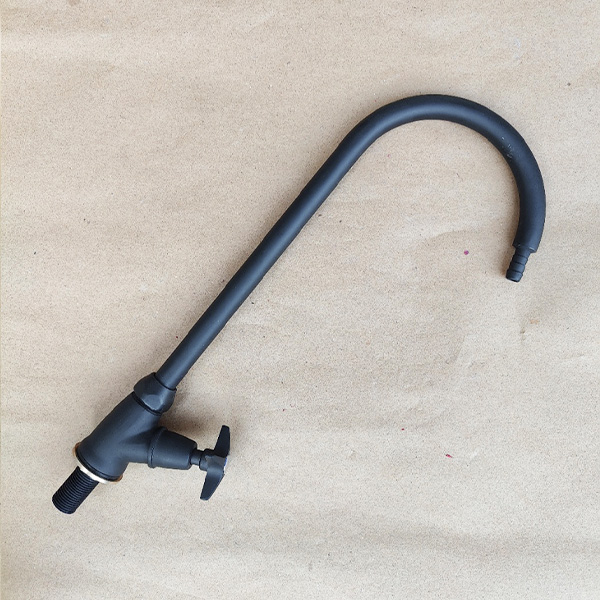
School Laboratory Water Tap for Schools, Colleges and Science Laboratories
Welcome to Olinc Chemical Suppliers, serving businesses and institutions looking for industrial chemicals, laboratory supplies and related products in Nairobi, Kenya.
Are you equipping a new school laboratory, renovating a science room or replacing damaged taps on laboratory sinks and workbenches? A school laboratory water tap is an essential fitting that provides controlled access to water for practical lessons, washing equipment and general laboratory activities.
A suitable laboratory tap helps teachers, laboratory technicians and students access water conveniently during experiments and practical sessions. When selecting one, it is important to consider the installation type, material, water connection, operating mechanism and compatibility with the laboratory sink or workbench.
Olinc Chemical Suppliers welcomes enquiries from schools, colleges, universities, training institutions, laboratory contractors, facility managers and other organisations seeking laboratory fittings in Nairobi and across Kenya. Customers in Uganda and Tanzania can also contact us to enquire about product availability, specifications, pricing and possible delivery arrangements.
Whether you need a replacement laboratory sink tap or fittings for a new science laboratory, this guide explains the main types, applications, features and purchasing considerations to help you make an informed choice.
What Is a School Laboratory Water Tap?
A school laboratory water tap is a plumbing fitting installed at a laboratory sink, bench or other designated water point. It controls the flow of water used during science lessons, laboratory demonstrations, cleaning and other approved activities.
Unlike a tap selected purely for domestic use, a laboratory tap should be chosen with the working environment, installation requirements and expected frequency of use in mind.
Depending on the design, a laboratory water tap may have a straight or curved spout, a single handle, a lever-operated mechanism or another control system. Some models are mounted on a laboratory bench or sink, while others are installed on a wall or a dedicated service panel.
Laboratory water taps are commonly used in:
-
Secondary school science laboratories.
-
Primary school science rooms with practical facilities.
-
College and university teaching laboratories.
-
Chemistry and biology laboratories.
-
Technical and vocational training institutions.
-
Research and educational facilities.
-
Laboratory preparation rooms and wash-up areas.
Important: A standard laboratory water tap is designed for water, unless the manufacturer specifies otherwise. Do not assume that a water tap is suitable for gas, compressed air, corrosive chemicals or other laboratory services.
What Is a Laboratory Water Tap Used For?
The main purpose of a laboratory water tap is to provide a convenient, controllable supply of water at a laboratory workstation.
Conducting School Science Experiments
Water is used in many school science activities, including preparing solutions, rinsing apparatus and conducting demonstrations. A suitable tap gives students and teachers access to water at an appropriate workstation.
The specific water quality required depends on the experiment. Ordinary tap water should not automatically be used where distilled, deionised or otherwise specified laboratory water is required.
Washing Laboratory Glassware
Beakers, measuring cylinders, flasks and other reusable apparatus often require rinsing and cleaning after practical work.
A tap installed near a suitable laboratory sink helps students and technicians wash equipment more conveniently. Cleaning agents and procedures should be appropriate for the material and any substances that the equipment has contained.
Supporting Chemistry Practical Lessons
Chemistry laboratories use water for various activities, such as rinsing glassware and preparing certain solutions.
A water tap provides a convenient source for these tasks. However, water quality and the laboratory’s disposal arrangements must be considered when handling chemical residues.
Supporting Biology Practical Lessons
Biology laboratories may use water for washing equipment, cleaning work surfaces where appropriate and preparing for practical sessions.
A suitable water point can help keep routine laboratory activities organised. Where biological samples or contaminated materials are involved, follow the institution’s hygiene and waste-management procedures.
Cleaning Laboratory Workstations
Laboratory sinks are used for appropriate cleaning tasks after practical lessons. A properly installed tap makes it easier to access water for routine washing and maintenance.
The sink, tap and drainage system should be suitable for the intended work. Hazardous chemicals and contaminated materials must not be disposed of through the sink unless the applicable procedures expressly permit it.
Washing Hands at Designated Areas
Where a laboratory has a designated handwashing point, an appropriate water tap can support routine hygiene.
Handwashing arrangements should be suitable for the institution’s requirements, and laboratory personnel should follow the relevant hygiene and safety procedures.
Supporting Laboratory Preparation and Demonstrations
Teachers and laboratory technicians often prepare apparatus and materials before a practical lesson begins. Water points near preparation areas can make these tasks more convenient.
The number and location of taps should be planned according to the laboratory layout, expected users and plumbing design.
Types of School Laboratory Water Taps
Laboratory taps are available in different configurations. The right type depends on the sink or bench design, available plumbing connections and the intended application.
Bench-Mounted Laboratory Water Tap
A bench-mounted laboratory water tap is installed through a suitable opening in a laboratory bench, sink deck or service panel.
It is a common option where water services are provided directly at student or technician workstations.
Before purchasing, confirm the mounting-hole diameter, available installation space, connection size and worktop thickness permitted by the manufacturer.
Sink-Mounted Laboratory Tap
A sink-mounted tap is fitted to a suitable sink or the surrounding mounting surface.
It may be used in school laboratory wash-up areas where students and technicians regularly rinse apparatus and carry out permitted cleaning tasks.
Check that the tap’s spout reaches the intended part of the sink and that the fitting is compatible with the sink’s mounting arrangement.
Wall-Mounted Laboratory Water Tap
A wall-mounted laboratory tap is installed on a suitable wall or service point above a sink or work area.
This configuration can be useful where the bench does not have an appropriate mounting surface or where the plumbing system is designed for wall connections.
Confirm the pipe connection, mounting height, spout reach and clearance before ordering.
Gooseneck Laboratory Water Tap
A gooseneck laboratory tap has a curved, raised spout. Its shape can provide useful clearance when filling containers or rinsing laboratory equipment.
The suitability of a gooseneck design depends on the sink dimensions, height of the surrounding surfaces and the size of the apparatus used.
Not every curved-spout tap is specifically manufactured for laboratory use, so check its construction and intended application.
Lever-Operated Laboratory Tap
A lever-operated tap uses a lever-style control to open, close or regulate water flow, depending on the mechanism.
This design may be convenient in educational environments where many users operate the tap throughout the day.
Check the operating mechanism, ease of maintenance and whether the design suits the school’s practical requirements.
Single-Handle Laboratory Water Tap
A single-handle model uses one control to operate the water supply. The exact method of controlling flow depends on the design.
This may provide a straightforward arrangement for a school laboratory that needs a simple water point rather than a mixed hot-and-cold installation.
Confirm whether the model supplies cold water only or supports another configuration.
Hot-and-Cold Laboratory Tap
Some laboratory installations require both hot and cold water, while others use cold water only.
A hot-and-cold tap must be compatible with the plumbing arrangement and the required temperature conditions. It should not be selected solely because it looks similar to a laboratory fitting.
For a typical school science laboratory, establish whether hot water is actually required before choosing this option.
Laboratory Water Tap with Specialised Coating
Certain laboratory fittings are supplied with protective finishes or coatings intended for particular working environments.
The coating and underlying materials should be checked against the manufacturer’s specifications. A coated finish does not automatically mean that the tap is resistant to every laboratory chemical.
If the installation will be exposed to unusual cleaning agents, vapours or corrosive substances, ask the supplier or manufacturer to confirm suitability.
Materials Used to Manufacture Laboratory Water Taps
The material of a laboratory tap affects its durability, maintenance requirements and suitability for the intended environment.
Brass Laboratory Water Taps
Brass is used in many plumbing fittings because it can be machined into practical tap and valve components.
Some laboratory taps have brass bodies with a protective or decorative finish. However, suitability depends on the brass composition, the finish and the water conditions.
Chrome-Plated Laboratory Taps
Chrome plating is a surface finish commonly used on plumbing fittings. It can provide a smooth, polished appearance and help protect the underlying surface under appropriate conditions.
Chrome plating does not make every tap chemically resistant. The complete fitting must be assessed for the intended environment.
Stainless-Steel Laboratory Taps
Some laboratory fittings use stainless steel, which may offer useful durability and corrosion resistance depending on the grade and design.
Not all stainless steel has the same properties, and the material should be selected according to the water conditions, cleaning products and expected exposure.
Polymer or Specialised Laboratory Fittings
Some laboratory fittings are made from polymers or incorporate specialised materials for particular applications.
Material selection depends on the intended service, operating conditions and manufacturer’s guidance. A polymer fitting should not be assumed suitable for every temperature or chemical.
Purchasing tip: Ask for the actual body material, surface finish and intended use rather than relying on descriptions such as “heavy duty,” “laboratory grade” or “corrosion resistant” without supporting specifications.
Key Features to Consider When Buying a School Laboratory Water Tap
Before ordering laboratory taps for a school, college or university, review the following features.
| Feature | Why it matters |
|---|---|
| Mounting type | Determines whether the tap fits the bench, sink, wall or service panel |
| Water connection size | Must match the existing plumbing or approved installation design |
| Body material | Affects durability and suitability for the operating environment |
| Surface finish | Influences appearance, cleaning and resistance to expected conditions |
| Spout height | Determines the clearance available for containers and laboratory apparatus |
| Spout reach | Affects where water lands within the sink |
| Operating mechanism | Influences ease of use and maintenance |
| Water pressure requirements | Must be compatible with the building’s water supply |
| Hot or cold water | Must match the laboratory’s actual plumbing requirements |
| Replacement parts | Can influence the ease and cost of future maintenance |
| Manufacturer’s specifications | Help confirm compatibility, installation requirements and limitations |
These features vary by model. Confirm the actual product specifications before placing an order.
How to Choose the Right Laboratory Water Tap for a School
The best tap is one that fits the installation and performs appropriately in the school’s working environment.
Identify the Type of Laboratory
A secondary school chemistry laboratory may have different requirements from a university research laboratory or a general science classroom.
Identify the activities carried out at the water point before selecting a tap.
Check the Existing Installation
If you are replacing a damaged tap, inspect the existing mounting arrangement, connection size and plumbing configuration.
Where possible, provide photographs and measurements to help the supplier identify a compatible replacement.
Choose the Correct Mounting Style
Determine whether the tap needs to be mounted on a laboratory bench, sink, wall or service panel.
An incorrect mounting style may require additional plumbing work or may not fit the existing installation.
Consider the Expected Frequency of Use
School laboratory taps may be operated repeatedly during lessons and cleaning. Consider the durability of the mechanism, the ease of operating it and the availability of maintenance support.
Confirm the Material and Finish
Select a fitting with materials appropriate for the water supply, cleaning practices and intended working environment.
If special chemical resistance is required, obtain confirmation for the specific substances and conditions involved.
Frequently Asked Questions About School Laboratory Water Taps
What is a school laboratory water tap?
A school laboratory water tap is a plumbing fitting that controls the flow of water at a laboratory sink, bench or designated water point. It is used for activities such as rinsing apparatus, preparing for practical lessons and permitted cleaning tasks.
What is the difference between a laboratory tap and a normal sink tap?
The main difference depends on the product’s intended design and specifications. Laboratory taps may have mounting arrangements, spout shapes, materials or operating mechanisms suited to laboratory workstations. A domestic sink tap should not automatically be assumed suitable for a school laboratory.
Which type of water tap is suitable for a school laboratory?
The appropriate type depends on the laboratory layout, plumbing arrangement, intended use and required material specifications. Bench-mounted, sink-mounted and wall-mounted taps are possible options.
What material is best for a laboratory water tap?
There is no single material that is best for every application. Brass, chrome-plated fittings, stainless steel and specialised polymer components may be used in different designs. The correct choice depends on the water conditions, cleaning methods and intended environment.
Can a school laboratory water tap be installed on any sink?
No. The tap must be compatible with the sink or mounting surface, available space, connection size and plumbing arrangement. Check the dimensions and installation instructions before purchasing.
Are laboratory water taps available in different sizes?
Laboratory taps can vary in overall height, spout reach, mounting dimensions and connection size. Confirm the measurements of the specific model rather than assuming that all laboratory taps use the same dimensions.
Can a laboratory water tap be used for chemicals?
A standard water tap is intended for water, not for dispensing laboratory chemicals. Specialised chemical-handling equipment must be selected according to the substance, concentration, temperature and operating conditions.
Can laboratory water taps be used for gas?
Do not use an ordinary water tap for gas. Gas services require purpose-designed fittings and suitable installation in accordance with the applicable safety requirements.
Why is my laboratory water tap leaking?
Possible causes include worn seals, loose connections, damaged components or problems with the installation. A qualified plumber or competent technician should inspect the fitting and determine the appropriate repair.
How do I choose a replacement laboratory tap?
Check the mounting style, connection size, dimensions, material, operating mechanism and water-supply requirements. A photograph and measurements of the existing tap can help when requesting a replacement.
How much does a school laboratory water tap cost in Kenya?
Prices vary according to the model, material, finish, dimensions, manufacturer and quantity. Contact Olinc Chemical Suppliers with your requirements for a current quotation.
Where can schools buy laboratory water taps in Nairobi?
Schools and other institutions can contact Olinc Chemical Suppliers in Nairobi, Kenya, to enquire about availability, specifications and pricing.
Can I order laboratory water taps for a school project involving several units?
You can enquire about the quantity required and request a quotation. Provide the number of taps, preferred specifications and delivery location so that the requirements can be assessed.
Can customers in Uganda and Tanzania enquire about laboratory taps?
Yes. Customers in Uganda and Tanzania are welcome to contact Olinc Chemical Suppliers to enquire about available products and possible delivery arrangements.
Request a School Laboratory Water Tap Quotation from Olinc Chemical Suppliers
Are you equipping a new science laboratory, replacing old sink fittings or sourcing laboratory water taps for a school, college or university?
Contact Olinc Chemical Suppliers to enquire about school laboratory water taps, specifications, availability and pricing.
Location: Enterprise Road, Avon Business Center, Nairobi, Kenya
Phone / WhatsApp: 0793062849
Email: sales@olincinchemicals.com
Website: www.olincinchemicalsl.com
When contacting us, share the required quantity, tap type, connection size and any available product photograph or technical specification. This will help clarify your requirements and support a more accurate quotation.
Olinc Chemical Suppliers — contact us for laboratory water tap enquiries in Nairobi, Kenya, and possible supply arrangements for customers in Uganda and Tanzania.


Reviews
There are no reviews yet.