
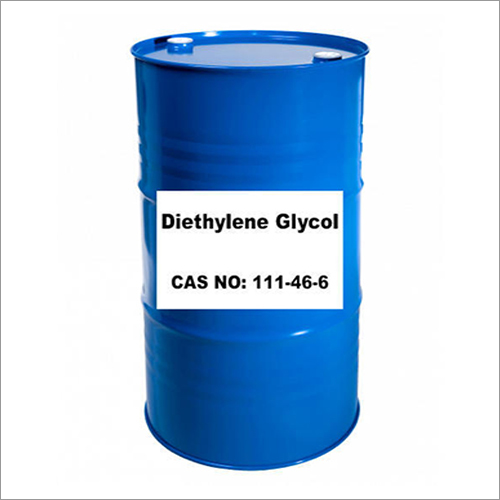
Diethylene Glycol (DEG) Supplier in Kenya | Olinc Chemical Suppliers
Diethylene Glycol (DEG) is a versatile industrial chemical used in the manufacture of polyester resins, polyurethane products, plasticisers, adhesives, industrial solvents, heat-transfer fluids and other chemical formulations. It is valued for its high boiling point, hygroscopic properties, water compatibility and ability to dissolve or support the processing of various materials.
If you are looking for a Diethylene Glycol supplier in Nairobi, Kenya, Uganda or Tanzania, Olinc Chemical Suppliers welcomes enquiries from manufacturers, industrial users, wholesalers and businesses sourcing chemical raw materials.
This product page explains the different names of DEG, its chemical identity, properties, industrial applications, grades, specifications, packaging, storage, safety precautions and purchasing considerations to help you select the right product.
Important safety note: Diethylene Glycol is toxic if swallowed and has been associated with serious and sometimes fatal poisoning when mistakenly used in medicines or other products intended for human consumption. It must not be treated as a food, pharmaceutical or cosmetic ingredient.
What is Diethylene Glycol (DEG)?
Diethylene Glycol is an organic chemical compound belonging to the glycol family. It is a clear, colourless, almost odourless, viscous liquid that attracts moisture from the surrounding environment.
It is made up of two hydroxyethyl groups connected by an ether oxygen atom. This structure gives DEG both alcohol and ether characteristics, making it useful in several industrial applications.
DEG is commonly produced as a co-product during the manufacture of ethylene glycol. It is used as a solvent, chemical intermediate, processing ingredient and raw material in the production of resins, polyurethane materials and other industrial products.
For industrial buyers, it is important to distinguish DEG from Monoethylene Glycol (MEG) and Triethylene Glycol (TEG). Although all three belong to the same glycol family, they have different chemical structures, properties and applications.
Chemical identification of Diethylene Glycol
| Property | Details |
|---|---|
| Product name | Diethylene Glycol |
| Common abbreviation | DEG |
| Chemical name | Diethylene Glycol |
| IUPAC name | 2-(2-Hydroxyethoxy)ethanol |
| Chemical formula | C₄H₁₀O₃ |
| Structural formula | HOCH₂CH₂OCH₂CH₂OH |
| CAS number | 111-46-6 |
| EC number | 203-872-2 |
| Molecular weight | 106.12 g/mol |
| Chemical family | Glycols / diols / hydroxy ethers |
| Physical form | Clear, colourless liquid |
| Main functions | Solvent, chemical intermediate and processing ingredient |
| HS code commonly referenced | 2909.41.00 |
These identifiers are consistent with chemical reference databases and supplier documentation.
Other names of Diethylene Glycol
Diethylene Glycol is known by several alternative chemical names, synonyms, abbreviations and historical trade descriptions. Customers may encounter these names when searching for the chemical, requesting quotations or comparing technical specifications.
Common names and abbreviations
-
Diethylene Glycol
-
DEG
-
Diglycol
-
Ethylene Diglycol
-
Diethylene Glycol Liquid
-
Diethylene Glycol Industrial Grade
-
Diethylene Glycol Technical Grade
-
Diethylene Glycol Solvent
-
Diethylene Glycol Chemical
-
Glycol, Diethylene
Chemical and scientific names
-
2,2′-Oxydiethanol
-
2-(2-Hydroxyethoxy)ethanol
-
2-(2-Hydroxyethoxy)ethan-1-ol
-
2,2′-Oxybisethanol
-
2,2′-Oxy-bis(ethanol)
-
2,2′-Dihydroxyethyl Ether
-
2,2′-Dihydroxydiethyl Ether
-
Bis(2-Hydroxyethyl) Ether
-
Bis(beta-hydroxyethyl) Ether
-
Beta,beta’-Dihydroxydiethyl Ether
-
Dihydroxydiethyl Ether
-
Ethanol, 2,2′-Oxybis-
-
1,5-Dihydroxy-3-oxapentane
-
3-Oxa-1,5-pentanediol
-
3-Oxapentane-1,5-diol
-
3-Oxapentamethylene-1,5-diol
-
Oxapentane-1,5-diol
-
Oxypentane-1,5-diol
-
2,2′-Oxyethanol
Historical and commercial names
Some chemical reference documents and supplier catalogues also list:
-
Digol
-
Dicol
-
Digenos
-
Deactivator E
-
Deactivator H
-
Dissolvant APV
-
Brecolane NDG
-
Caswell No. 338A
-
TL4N
-
Bissolvant APV
Important naming clarification: Some older trade names may be supplier-specific, historical or ambiguous. Names containing the words glycol ether or Carbitol can also refer to other glycol ethers. Do not identify a product by a trade name alone. For purchasing, confirm Diethylene Glycol, CAS 111-46-6, and the required grade.
Main uses and applications of Diethylene Glycol
DEG is used in various manufacturing and industrial sectors because of its solvent properties, moisture-retaining ability and suitability as a chemical intermediate.
Polyester resin manufacturing
One of the important applications of Diethylene Glycol is in the production of unsaturated polyester resins (UPR).
These resins are used in manufacturing:
-
Fibreglass-reinforced plastic products.
-
Composite materials.
-
Industrial mouldings.
-
Automotive components.
-
Roofing and construction panels.
-
Water tanks and selected storage products.
-
Marine and boat components.
-
Electrical and industrial composite parts.
DEG can be incorporated into polyester resin chemistry to modify properties such as flexibility and processing behaviour, depending on the formulation.
For resin manufacturers, the purity and consistency of the DEG are important because impurities can affect the final resin and production process.
Polyurethane manufacturing
Diethylene Glycol can be used as a chemical raw material in selected polyurethane formulations.
Polyurethane materials are found in:
-
Flexible and rigid foam systems.
-
Insulation products.
-
Industrial moulded components.
-
Coatings.
-
Adhesives.
-
Sealants.
-
Elastomers.
In polyurethane chemistry, DEG can act as a diol component or chain extender in specific formulations. Its suitability depends on the required molecular structure and product performance.
Plasticiser manufacturing
DEG is used in the manufacture of certain plasticisers and related chemical intermediates.
Plasticisers are ingredients added to selected materials to improve flexibility, workability and processing characteristics.
Potential applications include:
-
Polymer processing.
-
Resin formulations.
-
Flexible materials.
-
Selected industrial compounds.
The specific plasticiser produced determines the required quality and reaction specifications.
Industrial solvent applications
DEG is used as a solvent or co-solvent in selected industrial formulations because it can dissolve or support the processing of various organic materials.
It may be used in applications involving:
-
Resins.
-
Dyes.
-
Certain oils.
-
Nitrocellulose formulations.
-
Industrial cleaning systems.
-
Selected coatings and chemical preparations.
Its relatively high boiling point can make it useful in formulations where slower evaporation is desirable.
However, solvent selection should always be based on compatibility, drying requirements and the final product specification.
Adhesive manufacturing
Diethylene Glycol is used in selected adhesive and glue formulations.
Depending on the formulation, it may help:
-
Retain moisture.
-
Support processing.
-
Improve handling characteristics.
-
Control drying behaviour.
-
Function as a solvent or formulation ingredient.
It may be relevant to certain industrial adhesives, resin-based formulations and specialty bonding products.
Textile processing and dyeing
DEG has applications in selected textile-processing systems, including certain dyeing and printing formulations.
It may serve as a solvent or processing aid in formulations designed for:
-
Textile dyes.
-
Printing inks.
-
Textile auxiliaries.
-
Selected fabric-treatment processes.
The required grade depends on the textile process and any residue or product-quality limits.
Industrial heat-transfer fluids
Diethylene Glycol may be used in selected industrial heat-transfer and fluid formulations.
Its relatively high boiling point and compatibility with water can be useful in certain systems.
Potential applications include:
-
Selected industrial cooling circuits.
-
Specialised heat-transfer formulations.
-
Chemical processing systems.
-
Certain industrial fluid blends.
However, DEG is not automatically the preferred glycol for every coolant system. MEG and propylene glycol are also widely used, and selection should be based on the system design, temperature requirements, compatibility and toxicity considerations.
Paints, coatings and surface-treatment formulations
DEG can be used in certain paint, coating and surface-treatment formulations as a solvent or processing ingredient.
Its role depends on the formulation and may include supporting resin dissolution, controlling evaporation or improving processing characteristics.
Chemical manufacturing
DEG is an important intermediate for producing other chemicals.
It can be used in the manufacture of:
-
Triethylene Glycol.
-
Morpholine.
-
Polyester-related materials.
-
Polyurethane intermediates.
-
Selected solvents.
-
Other specialty chemical products.
Cement and construction-related processing
Certain industrial formulations used in cement processing and construction-material manufacturing may use DEG as a processing ingredient.
Its suitability depends on the specific formulation and performance requirements.
Petroleum and gas processing
DEG has been used in certain petroleum and gas-processing applications, including specialised solvent systems.
However, Triethylene Glycol (TEG) is more commonly associated with natural-gas dehydration. Buyers should not assume DEG and TEG are interchangeable for gas-processing applications.
How does Diethylene Glycol work?
DEG has two hydroxyl groups (-OH) and one ether oxygen atom in its molecular structure. These functional groups contribute to its ability to interact with water and various organic materials.
Its industrial functions include:
As a solvent: DEG can dissolve or assist in processing selected resins, dyes and other organic substances.
As a chemical intermediate: It can participate in chemical reactions used to manufacture polyester resins, polyurethane materials and other chemical products.
As a moisture-retaining ingredient: Its hygroscopic nature allows it to attract and retain moisture in certain industrial formulations.
As a processing ingredient: It can influence viscosity, flexibility, solvency and processing characteristics depending on the final formulation.
As a heat-transfer fluid component: In selected formulated systems, it can contribute to the fluid’s thermal and freezing characteristics.
Physical and chemical properties of Diethylene Glycol
Understanding the physical properties of DEG helps industrial buyers determine whether it is appropriate for their manufacturing requirements.
| Property | Typical value or description |
|---|---|
| Appearance | Clear, colourless liquid |
| Odour | Practically odourless |
| Chemical formula | C₄H₁₀O₃ |
| Molecular weight | 106.12 g/mol |
| CAS number | 111-46-6 |
| Density | Approximately 1.118 g/cm³ at 20–25°C |
| Boiling point | Approximately 245°C |
| Melting/freezing point | Approximately -10°C |
| Flash point | Approximately 124–143°C, depending on test method |
| Water solubility | Completely miscible |
| Hygroscopic nature | Yes, absorbs moisture from the atmosphere |
| Viscosity | Higher than water |
| Chemical character | Organic glycol / diol / hydroxy ether |
| Volatility | Low at normal room temperature compared with many common solvents |
These are typical reference values, not guaranteed batch specifications. Flash-point values in particular can vary with the testing method. Always consult the supplier’s TDS and SDS.
Grades of Diethylene Glycol
Different industrial processes have different quality requirements. When buying DEG, it is important to specify the grade or the actual technical specification required.
Industrial-grade Diethylene Glycol
Industrial-grade DEG is used in appropriate manufacturing and processing applications where the product meets the required specification.
Typical applications include:
-
Polyester resin production.
-
Polyurethane manufacturing.
-
Industrial solvent formulations.
-
Selected adhesive systems.
-
Plasticiser manufacturing.
-
Chemical intermediate production.
Technical-grade Diethylene Glycol
Technical-grade DEG is supplied for industrial processes requiring defined purity and quality limits.
Customers may use it for suitable:
-
Chemical manufacturing processes.
-
Industrial formulations.
-
Resin production.
-
Processing applications.
-
Solvent systems.
The actual assay and impurity limits must be checked against the COA.
High-purity Diethylene Glycol
High-purity DEG may be required for applications with tighter impurity controls.
Relevant specifications can include:
-
High assay.
-
Low water content.
-
Controlled acidity.
-
Low colour.
-
Low aldehyde content.
-
Controlled trace metals.
-
Low residue.
A high-purity description does not automatically mean that the product is approved for pharmaceutical, food or cosmetic use.
Resin and polymer-grade DEG
Some manufacturers require DEG with specifications suitable for polyester resin and polymer production.
The important quality parameters may include purity, moisture, acidity, colour and trace impurities that could influence polymerisation or final product quality.
Important purchasing advice: Grade names are not always standardised across manufacturers. Ask for the manufacturer’s specification sheet and compare actual test limits before ordering.
Specifications to check before purchasing Diethylene Glycol
For industrial procurement, the Certificate of Analysis (COA) is one of the most important documents to request.
The following parameters can help you evaluate a DEG product.
| Specification | Why it matters |
|---|---|
| Purity / assay | Indicates the amount of DEG in the product |
| Water content | Excess moisture may affect processing and reactions |
| Colour | Important for colour-sensitive formulations |
| Acidity | Helps assess chemical quality |
| Specific gravity / density | Useful for quality checks and process calculations |
| Boiling range | Helps evaluate composition and purity |
| Distillation characteristics | Can indicate the presence of other volatile components |
| Iron content | Important where trace-metal contamination must be controlled |
| Chloride content | Relevant to processes sensitive to ionic impurities |
| Aldehyde content | May matter in certain resin and polymer processes |
| Ash / residue | Helps assess non-volatile impurities |
| Appearance | Should meet the manufacturer’s stated clarity and colour requirements |
Documents to request from your supplier
Before purchasing, request:
-
Certificate of Analysis (COA): Batch-specific test results.
-
Technical Data Sheet (TDS): Physical properties, typical specifications and recommended applications.
-
Safety Data Sheet (SDS): Health hazards, handling, storage and emergency guidance.
-
Product identification: Chemical name, CAS number and grade.
These documents help you confirm whether the product is suitable for your manufacturing process.
Benefits of using Diethylene Glycol
DEG is valued in industrial manufacturing for several useful characteristics.
Good solvent properties
It can dissolve or assist in processing selected resins, dyes and other organic materials.
High boiling point
Its relatively high boiling point makes it useful in certain industrial formulations where a slower-evaporating component is required.
Hygroscopic properties
It attracts moisture from the atmosphere, which can be useful in selected moisture-control and processing applications.
Water compatibility
DEG is completely miscible with water, allowing it to be incorporated into suitable water-based formulations.
Chemical intermediate applications
It serves as a raw material in the production of various industrial chemicals, resins and polymer-related products.
Versatility
Its use across different manufacturing sectors makes it an important industrial glycol.
Difference between Monoethylene Glycol, Diethylene Glycol and Triethylene Glycol
This is one of the most important comparisons for buyers.
All three are related glycol chemicals, but their molecular structures, properties and industrial uses differ.
COMPARISON OF THE THREE COMMON ETHYLENE GLYCOLS
| Feature | MEG | DEG | TEG |
|---|---|---|---|
| Full name | Monoethylene Glycol | Diethylene Glycol | Triethylene Glycol |
| Chemical formula | C₂H₆O₂ | C₄H₁₀O₃ | C₆H₁₄O₄ |
| CAS number | 107-21-1 | 111-46-6 | 112-27-6 |
| Molecular weight | 62.07 g/mol | 106.12 g/mol | 150.17 g/mol |
| Main applications | PET, polyester, antifreeze | Resins, solvents, polyurethane and chemical intermediates | Gas dehydration, specialty fluids and chemical processing |
DEG vs MEG
Monoethylene Glycol is extensively used in PET bottle and polyester fibre manufacturing. It is also a major raw material in antifreeze and coolant production.
Diethylene Glycol is commonly used in selected solvent systems, polyester resins, polyurethane formulations, adhesives and other chemical manufacturing processes.
They cannot be substituted for one another without checking the formulation and process specification.
DEG vs TEG
Triethylene Glycol has three ethylene units linked through ether bonds and is used in applications such as natural-gas dehydration and specialty industrial fluids.
DEG is a different chemical with different physical properties and industrial uses.
Buying recommendation: Always confirm the exact glycol name and CAS number. A quotation simply stating “glycol” is not specific enough for a technical purchase.
Difference between Diethylene Glycol and other industrial solvents
DEG is sometimes compared with other solvents because of its ability to dissolve certain substances. However, these products have different characteristics.
| Chemical | Main function | Key difference |
|---|---|---|
| Diethylene Glycol | Solvent and chemical intermediate | High-boiling, hygroscopic glycol |
| Monoethylene Glycol | Polyester raw material and antifreeze | Smaller molecule, lower boiling point |
| Triethylene Glycol | Gas dehydration and specialty fluids | Higher molecular weight and different applications |
| Propylene Glycol | Solvent, heat-transfer fluid and other formulations | Different chemistry and generally lower acute toxicity |
| Glycerine | Humectant and industrial ingredient | Three hydroxyl groups and different formulation behaviour |
| Butyl Glycol | Industrial solvent and cleaning ingredient | Different glycol ether with different solvency and volatility |
| Isopropyl Alcohol | Fast-evaporating solvent | Much more volatile than DEG |
| Acetone | Fast-evaporating solvent | Highly volatile ketone rather than a glycol |
DEG vs Glycerine
Both DEG and glycerine can attract moisture, but they are not interchangeable.
Glycerine is widely used in suitable food, pharmaceutical, cosmetic and industrial applications depending on grade. DEG is toxic if swallowed and must not be used as a substitute for glycerine in products intended for human consumption or personal care.
DEG vs Butyl Glycol
Butyl Glycol is commonly used in industrial cleaners, paints and coatings. DEG has a higher boiling point and different solvent characteristics. The best choice depends on the formulation and required evaporation rate.
Packaging and supply options for Diethylene Glycol
Diethylene Glycol is normally supplied as a liquid chemical in suitable sealed industrial containers.
Depending on the manufacturer’s supply arrangements and order quantity, customers may enquire about:
-
25 kg containers, where available.
-
200 kg or 210 kg drums, depending on the packaging supplier.
-
1,000-litre IBC containers, subject to container capacity and net weight.
-
Bulk supply by road tanker.
-
Other industrial packaging formats.
Packaging sizes and availability vary by supplier. Confirm the actual container size, net weight, product grade and packaging material before placing an order.
What quantity can you order?
DEG is purchased in different quantities depending on the manufacturing process and business requirements.
Whether you need a few drums, several IBC containers or bulk quantities, provide your required volume or weight when requesting a quotation.
What should you check about packaging?
-
Is the container compatible with Diethylene Glycol?
-
Is it clean and properly sealed?
-
Is the product clearly labelled?
-
Is the net weight stated?
-
Has the container been protected from contamination?
-
Is the packaging suitable for transportation and storage?
Because DEG is hygroscopic, closed and properly sealed packaging is important for maintaining product quality.
Storage and handling of Diethylene Glycol
Proper storage and handling help preserve DEG quality and reduce workplace exposure.
Storage recommendations
-
Store in a cool, dry and well-ventilated area.
-
Keep containers tightly closed when not in use.
-
Protect the product from contamination and excessive moisture exposure.
-
Use compatible storage tanks, drums and transfer equipment.
-
Keep away from strong oxidising agents.
-
Keep containers clearly labelled.
-
Store away from food, beverages, animal feed and medicines.
-
Follow the storage-temperature recommendations on the manufacturer’s SDS.
Personal protective equipment
Workers handling DEG should use suitable protective equipment, including:
-
Chemical-resistant gloves.
-
Safety goggles or chemical splash protection.
-
Protective clothing.
-
Suitable workplace ventilation.
-
Appropriate respiratory protection where a risk assessment identifies a need.
Avoid unnecessary contact with the liquid. Take care when transferring, pumping or heating the chemical.
Health and safety precautions
Diethylene Glycol is toxic if swallowed. Ingestion can cause severe poisoning, including kidney damage, neurological effects, metabolic complications and potentially death.
It has been implicated in serious poisoning incidents where it was mistakenly used in pharmaceutical products or other products intended for human consumption.
For this reason:
-
Never use industrial DEG in medicines, syrups, food, beverages or oral-care products.
-
Never use DEG as a substitute for glycerine, propylene glycol or another approved ingredient.
-
Never assume that a high-purity or technical-grade description makes it safe for human use.
-
Keep it away from children and animals.
-
Do not transfer it into unlabelled bottles or food containers.
-
Ensure workers understand the product’s hazards before handling it.
BASF Download Center+3
First-aid precautions
-
Eyes: Rinse cautiously with plenty of clean water. Seek medical attention if irritation or injury occurs.
-
Skin: Remove contaminated clothing and wash the affected area thoroughly with water.
-
Inhalation: Move the affected person to fresh air and seek medical advice if symptoms occur.
-
Swallowing: Seek emergency medical attention immediately. Do not induce vomiting unless directed by a medical professional.
Always consult the current product-specific SDS for detailed first-aid and emergency instructions.
Environmental considerations
DEG spills and waste should be managed responsibly.
Important precautions include:
-
Prevent uncontrolled release into drains and waterways.
-
Contain spills using suitable industrial spill-control procedures.
-
Avoid allowing contaminated wash water to enter the environment.
-
Dispose of waste through authorised waste-management channels.
-
Follow the relevant environmental and workplace regulations.
-
Prevent access to spilled material by children and animals.
Even where a chemical has relatively low environmental persistence, uncontrolled discharge is not acceptable.
How to choose the right Diethylene Glycol supplier
When purchasing DEG for industrial manufacturing, it is important to consider more than the quoted price.
The following checklist can help you make a better purchasing decision.
-
Correct chemical identity: Confirm that the product is Diethylene Glycol, CAS 111-46-6.
-
Purity: Check the stated assay and actual COA.
-
Grade: Specify industrial, technical or high-purity requirements.
-
Moisture content: Ensure the water content meets your process requirements.
-
Appearance: Check the colour and clarity against the specification.
-
Documentation: Request the COA, TDS and SDS.
-
Packaging: Confirm the available drums, IBC containers or bulk options.
-
Consistency: For regular purchases, confirm that repeat batches can meet the required specifications.
-
Quantity: State the exact quantity required.
-
Delivery: Confirm your delivery location and arrangements.
-
Application suitability: Ensure that the chemical is intended for your industrial process and not for prohibited or unsafe consumer uses.
A reliable chemical supply arrangement should provide clear product identification, suitable documentation and consistent quality.
Frequently asked questions about Diethylene Glycol
What is Diethylene Glycol used for?
Diethylene Glycol is used in the production of polyester resins, polyurethane products, plasticisers, adhesives, industrial solvents and selected chemical formulations. It also has applications in certain heat-transfer fluids and industrial processing systems.
What is the chemical formula of Diethylene Glycol?
The chemical formula is C₄H₁₀O₃.
What is the CAS number of Diethylene Glycol?
The CAS number is 111-46-6.
What is another name for Diethylene Glycol?
Common alternative names include DEG, Diglycol, Ethylene Diglycol, 2,2′-Oxydiethanol, 2-(2-Hydroxyethoxy)ethanol and Bis(2-hydroxyethyl) ether.
Is Diethylene Glycol the same as Ethylene Glycol?
No. Ethylene Glycol usually refers to Monoethylene Glycol (MEG), which has the formula C₂H₆O₂. Diethylene Glycol has the formula C₄H₁₀O₃ and is a different chemical.
Is DEG used in polyester resin manufacturing?
Yes. DEG can be used as a raw material in the manufacture of certain unsaturated polyester resins. It can contribute to the chemical structure and properties of the final resin.
Is Diethylene Glycol used in polyurethane manufacturing?
Yes. It can be used as a diol component or chain extender in selected polyurethane formulations.
Is Diethylene Glycol water-soluble?
Yes. DEG is completely miscible with water, meaning it mixes with water in all proportions.
Is Diethylene Glycol hygroscopic?
Yes. It absorbs moisture from the surrounding atmosphere. Properly sealed packaging helps maintain its quality.
What does Diethylene Glycol look like?
It is generally a clear, colourless, almost odourless and slightly viscous liquid.
What is the difference between DEG and TEG?
DEG stands for Diethylene Glycol, while TEG stands for Triethylene Glycol. They have different molecular weights, physical properties and industrial applications.
Is Diethylene Glycol used in antifreeze?
It has been used in certain antifreeze and industrial fluid formulations. However, MEG is more commonly used in conventional automotive antifreeze. Always select the glycol according to the equipment and formulation requirements.
Is Diethylene Glycol toxic?
Yes. DEG is toxic if swallowed and can cause serious poisoning, including kidney damage and potentially fatal effects. It must be handled and stored securely.
Can Diethylene Glycol be used in medicines or food?
No. Industrial DEG must never be used in food, beverages, medicines, pharmaceutical syrups or other products intended for human consumption. Its toxicity makes such substitution extremely dangerous.
How is Diethylene Glycol packaged?
Industrial packaging enquiries may include drums, IBC containers and bulk tanker supply. Actual sizes and availability depend on the supplier.
Where can I buy Diethylene Glycol in Nairobi, Kenya?
You can contact Olinc Chemical Suppliers in Nairobi to enquire about DEG availability, grade, specifications, packaging and pricing.
Does Olinc supply Diethylene Glycol to Uganda and Tanzania?
Olinc welcomes enquiries from customers in Kenya, Uganda and Tanzania. Contact us with your required quantity and delivery destination to discuss supply arrangements.
What documents should I request when buying DEG?
Request the Certificate of Analysis (COA), Technical Data Sheet (TDS) and Safety Data Sheet (SDS). These help you verify product quality, technical suitability and safe handling requirements.
Buy Diethylene Glycol from Olinc Chemical Suppliers
Are you looking for a Diethylene Glycol supplier in Nairobi, Kenya, Uganda or Tanzania?
Olinc Chemical Suppliers welcomes enquiries from manufacturers, industrial buyers, wholesalers and businesses sourcing chemical raw materials.
Whether you require Diethylene Glycol for polyester resin manufacturing, polyurethane production, adhesive formulations, industrial solvents or other suitable manufacturing applications, contact us with your requirements.
We welcome enquiries for:
-
Product availability.
-
Industrial and technical specifications.
-
Current pricing.
-
Packaging options.
-
Bulk quantities.
-
Product documentation.
-
Delivery arrangements.
Olinc Chemical Suppliers
-
Location: Enterprise Road, Avon Business Center, Nairobi, Kenya
-
Phone / WhatsApp: 0793062849
-
Email: sales@olincinchemicals.com
-
Website: www.olincinchemicalsl.com
Enquire about DEG on WhatsApp


Reviews
There are no reviews yet.