
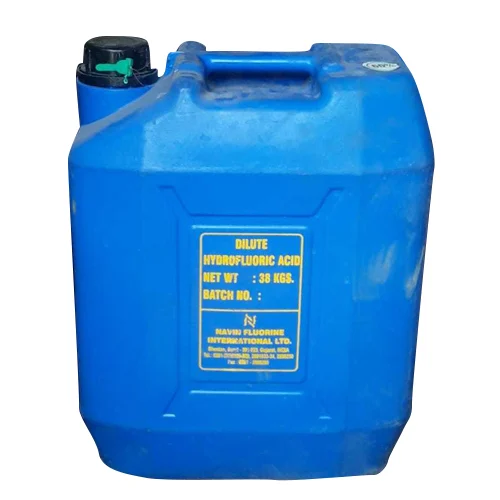
Hydrofluoric Acid (HF) in Kenya | Industrial Chemical Information – Olinc Chemical Suppliers
Welcome to Olinc Chemical Suppliers, your industrial chemical information and supply partner in Nairobi, Kenya.
Are you researching Hydrofluoric Acid (HF) for an industrial, laboratory, metal-processing or specialised manufacturing application? Understanding the chemical’s properties, available grades, industrial applications, specifications and safety requirements is essential when evaluating this highly specialised chemical.
Hydrofluoric Acid is an inorganic acid widely recognised for its ability to react with silica and certain metal-containing materials. It has specialised applications in glass processing, metal treatment, petroleum refining and chemical manufacturing.
At Olinc Chemical Suppliers, we believe that informed chemical decisions begin with accurate product information. This page provides an overview of Hydrofluoric Acid, including its chemical identity, properties, applications, technical considerations, hazards and regulatory requirements relevant to organisations in Kenya.
Important: Hydrofluoric Acid is an exceptionally hazardous chemical. Any commercial handling or distribution must be undertaken by appropriately authorised organisations with specialist facilities, trained personnel and suitable emergency-response arrangements.
What Is Hydrofluoric Acid?
Hydrofluoric Acid is an aqueous solution of hydrogen fluoride (HF), an inorganic chemical compound made up of hydrogen and fluorine.
Unlike many conventional mineral acids, Hydrofluoric Acid has the unusual ability to react with silica and attack glass and other silicate-containing materials. This property makes it useful in specialised industrial applications where silica removal or surface modification is required.
Hydrofluoric Acid is generally a colourless liquid. Depending on its concentration, it may produce irritating or corrosive fumes.
It is important to distinguish between hydrogen fluoride gas and Hydrofluoric Acid solution. Hydrogen fluoride is the chemical compound HF, while Hydrofluoric Acid refers to its aqueous form.
Other Names of Hydrofluoric Acid
Hydrofluoric Acid is recognised by several alternative names and chemical identifiers.
Common names include:
- Hydrofluoric Acid
- Hydrogen Fluoride
- Fluoric Acid
- Fluorhydric Acid
- Hydrofluoride
- HF
- Aqueous Hydrogen Fluoride
Chemical identification
| Property | Information |
|---|---|
| Chemical name | Hydrofluoric Acid |
| Chemical formula | HF |
| CAS number | 7664-39-3 |
| Molecular weight | 20.006 g/mol |
| EC number | 231-634-8 |
| Chemical family | Inorganic acids |
| Physical form | Colourless liquid in aqueous form |
| UN number | 1790 for Hydrofluoric Acid solution |
| UN number for anhydrous hydrogen fluoride | 1052 |
The UN classification and transport requirements must be confirmed against the actual product concentration and current dangerous-goods documentation.
Chemical and Physical Properties
Hydrofluoric Acid has distinctive chemical characteristics that differentiate it from commonly used industrial acids.
| Property | Description |
|---|---|
| Chemical formula | HF |
| Molecular weight | 20.006 g/mol |
| Appearance | Colourless liquid |
| Odour | Strong, irritating odour |
| Chemical nature | Inorganic acid |
| Water solubility | Miscible with water |
| Boiling point | Concentration-dependent |
| Density | Concentration- and temperature-dependent |
| Chemical behaviour | Reacts with silica and many materials |
| Corrosive properties | Highly corrosive to tissue and many materials |
Unlike many other acids, Hydrofluoric Acid can penetrate body tissue and cause systemic toxicity. Its hazards are not limited to visible surface burnsIndustrial Applications of Hydrofluoric Acid
Hydrofluoric Acid has specialised uses in several industrial sectors.
Glass Manufacturing and Processing
Hydrofluoric Acid is known for its ability to react with silica, the principal component of many types of glass.
It is associated with specialised glass-processing applications, including industrial glass surface treatment and etching.
Metal Processing and Metallurgy
Hydrofluoric Acid is used in certain specialised metal-processing operations.
Its applications include processes involving metal surface treatment and the removal of selected oxide or silicate-containing materials.
Petroleum Refining
Hydrofluoric Acid has historically been used as a catalyst in certain petroleum refining processes, particularly specialised alkylation operations.
These applications require purpose-designed industrial installations and stringent process-safety controls.
Chemical Manufacturing
Hydrofluoric Acid is an important industrial chemical intermediate in the manufacture of selected fluorine-containing compounds.
Its use is associated with specialised chemical production facilities.
Semiconductor and Electronics Industries
Specialised fluoride chemistry is used in certain electronics and semiconductor manufacturing processes, particularly where controlled removal of silica-containing materials is required.
These applications demand highly controlled environments and stringent quality specifications.
Available Grades and Concentration Considerations
Hydrofluoric Acid is supplied in different concentrations and specifications depending on the intended industrial or laboratory application.
Common industry descriptions include:
- Industrial-grade Hydrofluoric Acid.
- Technical-grade Hydrofluoric Acid.
- Electronic-grade Hydrofluoric Acid.
- Laboratory-grade Hydrofluoric Acid.
- Anhydrous Hydrogen Fluoride, which is a distinct product form rather than an aqueous acid solution.
The appropriate specification depends on the intended process, purity requirements, impurity limits and regulatory approvals.
Concentration is particularly important because the physical properties, hazard classification, transport requirements and compatibility considerations can vary significantly between formulations.
A product’s exact concentration and grade must always be established from its manufacturer’s technical documentation and Safety Data Sheet (SDS).
Technical Quality Considerations
Organisations evaluating Hydrofluoric Acid should pay attention to the following quality information:
- Chemical identity and CAS number.
- Verified concentration.
- Assay or purity information.
- Relevant impurity profile.
- Batch identification and traceability.
- Manufacturer’s Certificate of Analysis (CoA).
- Current Safety Data Sheet.
- Applicable product and transport classification.
The Certificate of Analysis is particularly important for industrial users because it provides batch-specific information rather than relying solely on a general product description.
Chemical Compatibility
Hydrofluoric Acid has unusual material-compatibility requirements.
It attacks glass, silica-containing materials and numerous metals. Its compatibility with containers, equipment, seals and other components must be established using the manufacturer’s documentation and a qualified chemical-safety assessment.
It must not be assumed that equipment suitable for hydrochloric acid, sulphuric acid or other conventional industrial acids will also be suitable for Hydrofluoric Acid.
Storage, Handling and Transportation Safety
Hydrofluoric Acid requires specialist chemical-management arrangements.
Its storage and transportation must follow the manufacturer’s SDS, applicable dangerous-goods requirements and relevant Kenyan regulations.
Important considerations include:
- Authorised and controlled storage facilities.
- Specialist chemical-resistant containment selected for the exact formulation.
- Appropriate segregation from incompatible substances.
- Restricted access to authorised and trained personnel.
- Suitable emergency-response arrangements.
- Appropriate hazardous-chemical labels.
- Documented inventory and traceability.
- Compliant transportation and handling arrangements.
Hydrofluoric Acid must never be stored in ordinary glass containers.
Health and Safety Hazards
Hydrofluoric Acid is among the most hazardous industrial acids because exposure can cause both severe local tissue damage and systemic poisoning.
Potential exposure routes include inhalation, skin contact, eye contact and ingestion.
Skin exposure
Contact can cause severe chemical burns. Fluoride ions can penetrate deeply into tissue, and symptoms may be delayed, particularly with some dilute exposures.
Eye exposure
Exposure can result in severe eye injury and permanent visual damage.
Inhalation
Inhaling hydrogen fluoride vapour can cause serious respiratory injury and potentially life-threatening complications.
Ingestion
Swallowing Hydrofluoric Acid can result in severe internal chemical injury and systemic poisoning.
Emergency warning: Any suspected exposure requires immediate emergency medical attention. Do not wait for pain or visible burns to develop. Hydrofluoric Acid exposure requires specialised medical management.
Environmental Considerations
Hydrofluoric Acid presents significant environmental hazards.
Uncontrolled releases can contaminate soil and water and cause serious harm to living organisms.
Industrial organisations must establish appropriate environmental risk-management, spill-response and hazardous-waste arrangements in accordance with applicable environmental legislation.
Waste must not be discharged into ordinary drainage systems or disposed of as general industrial waste.
Regulatory Requirements for Hydrofluoric Acid in Kenya
Businesses dealing with hazardous industrial chemicals in Kenya must understand the applicable regulatory framework.
The Environmental Management and Coordination (Management of Toxic and Hazardous Chemicals and Materials) Regulations, 2024, Legal Notice No. 182, provide a framework governing the management of toxic and hazardous industrial chemicals.
The regulations cover activities including:
- Chemical registration.
- Importation and exportation.
- Distribution.
- Storage.
- Transportation.
- Handling.
- Disposal.
Applicable registration, licensing and permit requirements must be confirmed with the National Environment Management Authority (NEMA) before engaging in regulated activities.
Organisations should also ensure that appropriate Safety Data Sheets, risk-management plans, emergency-response arrangements and chemical documentation are available.
Documentation and Quality Assurance
For organisations assessing Hydrofluoric Acid for specialised industrial use, the following documentation is important:
- Safety Data Sheet (SDS).
- Certificate of Analysis (CoA).
- Product technical specification.
- Chemical identification and concentration details.
- Manufacturer and batch traceability.
- Applicable regulatory registration and licences.
- Dangerous-goods transportation documentation.
These documents help organisations evaluate product identity, quality, hazards and regulatory compliance.
Frequently Asked Questions About Hydrofluoric Acid in Kenya
What is Hydrofluoric Acid used for?
Hydrofluoric Acid is used in specialised glass processing, metal treatment, petroleum refining and chemical manufacturing applications.
What is the chemical formula of Hydrofluoric Acid?
Its chemical formula is HF.
What is the CAS number of Hydrofluoric Acid?
The CAS number is 7664-39-3.
Is Hydrofluoric Acid the same as Hydrogen Fluoride?
They refer to closely related forms of the same chemical compound. Hydrogen Fluoride is the compound HF, while Hydrofluoric Acid is its aqueous solution.
Is Hydrofluoric Acid a strong acid?
Hydrofluoric Acid is generally classified as a weak acid based on its degree of ionisation in water. However, it is exceptionally hazardous and should never be considered safe because of this classification.
Does Hydrofluoric Acid react with glass?
Yes. It reacts with silica, which is a major constituent of glass. This makes ordinary glass unsuitable for storing it.
Is Hydrofluoric Acid dangerous?
Yes. It can cause severe chemical burns, deep tissue injury, respiratory damage and systemic fluoride poisoning. Serious exposure can be fatal.
Is Hydrofluoric Acid used in Kenya?
It has specialised industrial and laboratory applications. Any activity involving its importation, distribution, storage or use must comply with applicable Kenyan chemical-management requirements.
What documents should accompany Hydrofluoric Acid?
Relevant documentation includes the Safety Data Sheet, Certificate of Analysis, technical specifications and applicable regulatory and dangerous-goods documentation.
Can ordinary industrial acid storage equipment be used for Hydrofluoric Acid?
Not automatically. Material compatibility must be established specifically for Hydrofluoric Acid and the exact formulation.
Why Accurate Product Information Matters
Choosing an industrial chemical requires more than identifying its chemical name.
Organisations must consider the product’s concentration, purity, intended application, material compatibility, quality documentation and regulatory requirements.
For highly hazardous substances such as Hydrofluoric Acid, these considerations are essential to responsible chemical management.
Contact Olinc Chemical Suppliers
Olinc Chemical Suppliers is based in Nairobi, Kenya, and serves organisations seeking information about industrial chemical products and their applications.
For enquiries concerning Hydrofluoric Acid, product documentation and regulatory requirements should be established before any commercial transaction.
Olinc Chemical Suppliers
Location: Nairobi, Enterprise Road, Avon Business Center.
Email: sales@olincinchemicals.com
Phone: 0793062849 / 0743657810
Website: www.olincchemicalsl.com
Our commitment: Responsible chemical management, accurate product information and compliance with applicable safety and environmental requirements.



Reviews
There are no reviews yet.