
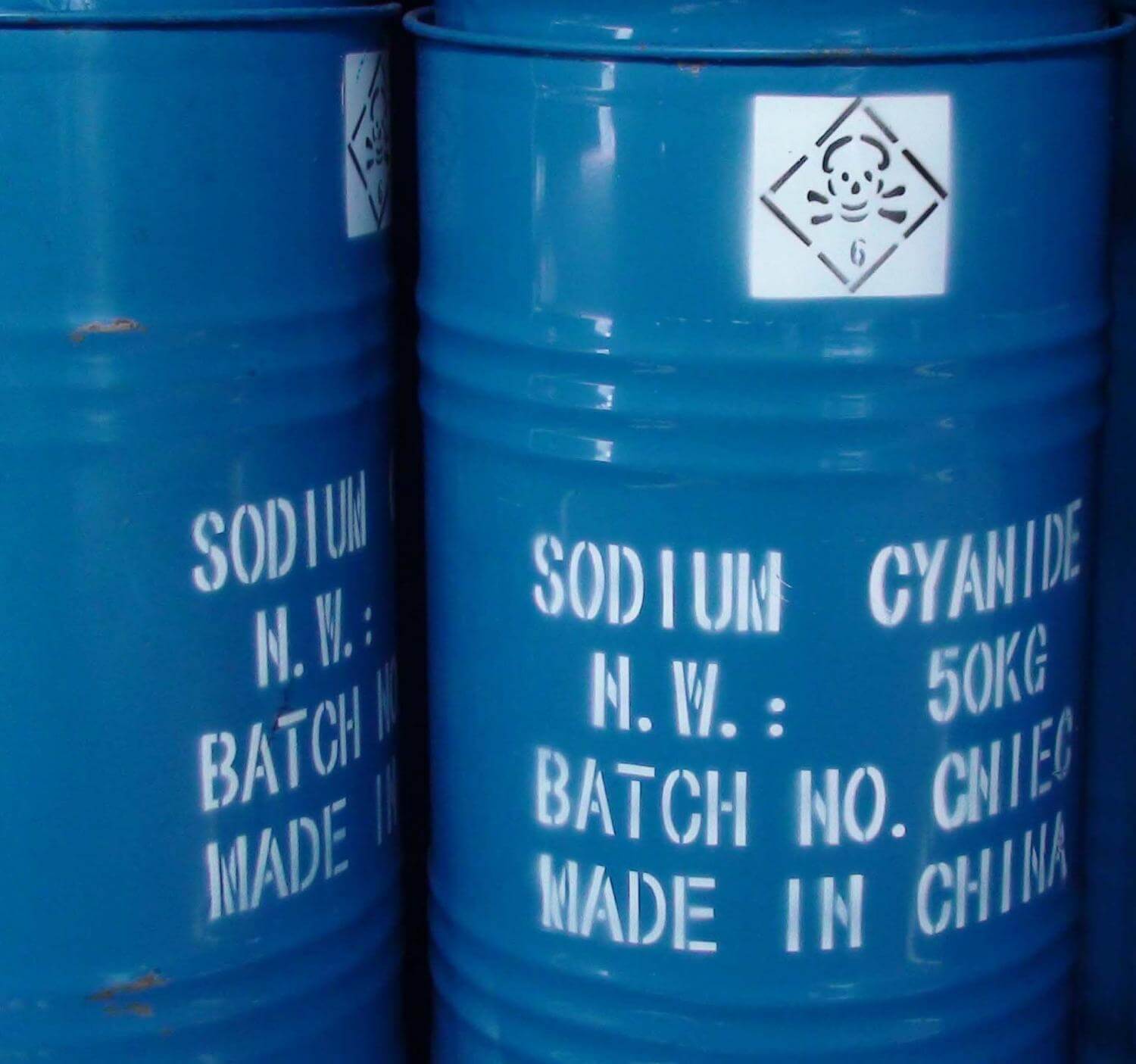
Sodium Cyanide (NaCN) in Kenya
Welcome to Olinc Chemical Suppliers, your industrial chemical information and supply partner in Nairobi, Kenya.
Are you researching Sodium Cyanide for an industrial, mining, metallurgical or chemical manufacturing application? Understanding the chemical’s properties, industrial uses, technical characteristics and regulatory requirements is essential before considering its use.
Sodium Cyanide, commonly known by its chemical formula NaCN, is an inorganic chemical compound used in specialised industrial processes, particularly in the mining and metallurgical industries. It is recognised for its role in gold and silver extraction, electroplating and certain chemical manufacturing applications.
At Olinc Chemical Suppliers, we recognise the importance of providing accurate chemical information and responsible chemical management. This page explains what Sodium Cyanide is, its industrial applications, identifying information, technical properties, hazards and the regulatory considerations applicable in Kenya.
Important: Sodium Cyanide is an acutely toxic chemical that can cause death following ingestion, skin contact or inhalation. It must only be handled within appropriately licensed and professionally managed industrial facilities.
What is Sodium Cyanide?
Sodium Cyanide is an inorganic chemical compound consisting of sodium and cyanide ions.
It is represented by the chemical formula NaCN and is commonly encountered as a white crystalline or granular solid.
The chemical is particularly important in certain metallurgical operations because of its chemical interaction with precious metals.
Sodium Cyanide is primarily associated with:
-
Gold and silver mining.
-
Metallurgical processing.
-
Industrial electroplating.
-
Specialised chemical manufacturing.
-
Certain industrial chemical synthesis processes.
Because of its extreme toxicity, Sodium Cyanide is subject to stringent chemical safety, environmental and regulatory controls.
Sodium Cyanide identification and technical information
The following table provides general identification information.
| Property | Information |
|---|---|
| Product name | Sodium Cyanide |
| Chemical formula | NaCN |
| CAS number | 143-33-9 |
| Molecular weight | 49.01 g/mol |
| Chemical classification | Inorganic cyanide salt |
| Appearance | White crystalline or granular solid |
| Physical state | Solid |
| Density | Approximately 1.60 g/cm³ |
Melting point |
Approximately 563°C |
| UN identification number | UN 1689 (solid) |
| Transport hazard class | Class 6.1 – Toxic substances |
These are general reference values. Actual product documentation and supplier-specific technical specifications must be verified against the applicable Safety Data Sheet (SDS) and Certificate of Analysis (COA).
Other names of Sodium Cyanide
When researching industrial chemicals, buyers may encounter different names for the same compound.
Common alternative names include:
-
Sodium Cyanide
-
Sodium Cyanide Salt
-
Sodium Salt of Hydrocyanic Acid
-
Cyanide of Sodium
-
NaCN
-
CAS 143-33-9
These names are useful for chemical identification and technical documentation.
Important: Sodium cyanide should not be confused with potassium cyanide, calcium cyanide or hydrogen cyanide. These are different chemical substances with different identification and properties.
Industrial applications of Sodium Cyanide
Sodium Cyanide has several specialised industrial applications.
The most recognised applications are described below at a general industrial level.
Gold mining and metallurgical processing
Sodium Cyanide is widely recognised in the gold-mining industry because of its ability to form soluble complexes with gold.
It is associated with industrial gold extraction and metallurgical recovery operations conducted in professionally controlled facilities.
Its use requires strict environmental management, specialised worker protection and regulatory oversight.
Silver extraction
Sodium Cyanide also has applications in certain silver-processing operations.
It is used in specialised metallurgical processes where the chemical properties of cyanide compounds are relevant to precious-metal processing.
Electroplating industry
Sodium Cyanide has historically been used in certain electroplating processes.
However, the industry also uses alternative chemical systems, and the suitability of any process depends on its technical and regulatory requirements.
Chemical manufacturing
Certain chemical manufacturing processes use sodium cyanide as an industrial chemical intermediate.
Such applications require specialised facilities, technical oversight and appropriate environmental and occupational safety controls.
Chemical and physical characteristics
Understanding the general characteristics of Sodium Cyanide helps industrial professionals identify the chemical and understand its hazard classification.
Physical appearance: Sodium Cyanide is generally a white crystalline or granular solid.
Chemical identity: Its formula is NaCN, and its molecular weight is approximately 49.01 g/mol.
Solubility: It is soluble in water.
Chemical reactivity: It is highly hazardous when exposed to incompatible substances and conditions.
Toxicity: It is an extremely toxic substance capable of interfering with the body’s ability to use oxygen.
Environmental impact: Cyanide contamination can seriously harm aquatic organisms and other living organisms.
One particularly important danger is that contact with acids can release hydrogen cyanide gas, which is extremely toxic.
For this reason, Sodium Cyanide must never be treated as an ordinary industrial salt or general-purpose chemical.
Sodium Cyanide safety and hazard information
Sodium Cyanide presents severe risks to human health and the environment.
Its hazard profile includes:
-
Acute toxicity through ingestion.
-
Acute toxicity through skin contact.
-
Acute toxicity through inhalation.
-
Potentially fatal hydrogen cyanide gas release.
-
Serious environmental hazards, particularly to aquatic life.
Exposure can rapidly interfere with cellular oxygen utilisation and cause severe neurological, cardiovascular and respiratory effects.
Emergency information: Suspected exposure requires immediate emergency medical attention. Do not wait for symptoms to develop. Suspected releases should be managed by trained hazardous-materials emergency responders.
General safety information is available from the CDC and International Labour Organization.
Regulatory requirements for Sodium Cyanide in Kenya
This is an especially important consideration for anyone researching Sodium Cyanide in Kenya.
Kenya has the Environmental Management and Coordination (Management of Toxic and Hazardous Chemicals and Materials) Regulations, 2024, Legal Notice No. 182.
The regulations establish requirements relating to the management of toxic and hazardous industrial chemicals, including registration, licensing, importation, transportation, distribution, storage, handling and disposal.
The National Environment Management Authority (NEMA) administers these regulatory requirements.
Depending on the activity and the chemical’s applicable classification, regulatory documentation may include:
-
Chemical registration.
-
Appropriate NEMA licences.
-
Applicable import or export permits.
-
Distribution and storage authorisations.
-
Transportation and transit authorisations.
-
Material Safety Data Sheet (MSDS/SDS).
-
Risk Management Plan.
-
Emergency Response Plan.
For mining and extractive activities, NEMA also provides a specific permit application process for the use of regulated toxic and hazardous chemicals.
The precise requirements must be confirmed with NEMA before any activity involving Sodium Cyanide is undertaken.
Chemicals Management Regulations+2
Official regulatory information: NEMA Chemicals Management Regulations.
Frequently asked questions about Sodium Cyanide in Kenya
What is the chemical formula of Sodium Cyanide?
The chemical formula is NaCN. It consists of sodium and cyanide ions.
What is the CAS number of Sodium Cyanide?
The CAS Registry Number is 143-33-9. This number helps distinguish Sodium Cyanide from other cyanide compounds.
What is Sodium Cyanide used for?
Its recognised industrial applications include gold and silver metallurgy, certain electroplating processes and specialised chemical manufacturing.
Is Sodium Cyanide a solid or liquid?
Pure commercial Sodium Cyanide is generally encountered as a white crystalline or granular solid. Product form and identity should always be confirmed using the manufacturer’s documentation.
Is Sodium Cyanide dangerous?
Yes. Sodium Cyanide is extremely toxic. Exposure through ingestion, inhalation or skin contact can be fatal.
Is Sodium Cyanide used in gold mining?
Yes. It is an established industrial chemical associated with gold extraction and metallurgical processing.
Does Sodium Cyanide require special regulatory approval in Kenya?
Activities involving toxic and hazardous industrial chemicals are subject to Kenya’s chemical management regulations. Applicable registration, licences and permits should be confirmed with NEMA.
Can Sodium Cyanide affect the environment?
Yes. Cyanide contamination can cause severe harm to aquatic organisms and other living organisms. Industrial operations must have appropriate environmental controls and emergency response arrangements.
What is the difference between Sodium Cyanide and Potassium Cyanide?
They are different inorganic cyanide salts. Sodium Cyanide has the formula NaCN, whereas Potassium Cyanide has the formula KCN. They have different molecular weights and chemical identification numbers.
Why responsible chemical sourcing matters
When dealing with highly toxic industrial chemicals, the identity of the supplier is only one part of the purchasing decision.
Industrial organisations should establish that all relevant regulatory requirements are satisfied and that the entire chemical management chain is appropriately authorised.
Important considerations include:
-
Verified chemical identity.
-
Authentic manufacturer documentation.
-
Valid Safety Data Sheet.
-
Relevant Certificate of Analysis.
-
Applicable regulatory authorisations.
-
Approved industrial facility and environmental management arrangements.
-
Qualified personnel and emergency response capability.
At Olinc Chemical Suppliers, our approach to industrial chemical supply places importance on accurate product information, responsible chemical management and compliance with applicable Kenyan requirements.
Contact Olinc Chemical Suppliers
Olinc Chemical Suppliers
Nairobi, Enterprise Road, Avon Business Center, Kenya.
-
Email: sales@olincinchemicals.com
-
Phone: 0793062849
-
Website: www.olincinchemicalsl.com
For enquiries concerning Sodium Cyanide, regulatory documentation and industrial chemical compliance, contact our team.



Reviews
There are no reviews yet.