
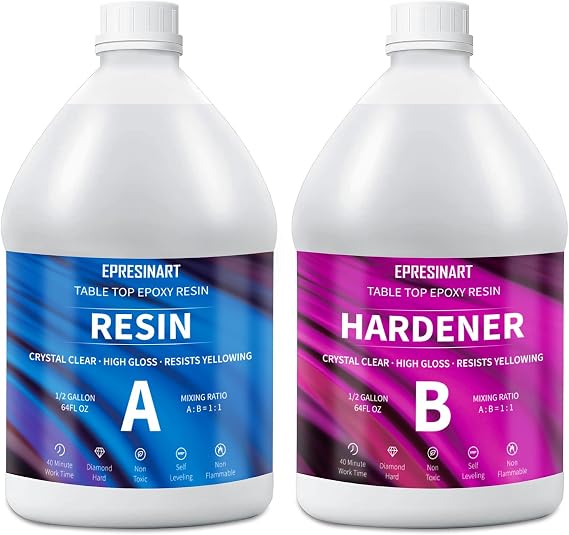
Epoxy Resin Supplier in Nairobi, Kenya
Are you looking for a reliable supplier of epoxy resin A and B in Nairobi, Kenya, for flooring, construction, waterproofing systems, protective coatings, casting or repair work? Olinc Chemical Suppliers welcomes enquiries from contractors, manufacturers, workshops, artisans, construction companies and other commercial buyers looking for epoxy resin systems.
Epoxy resin is a versatile synthetic material valued for its strong adhesion, durability, chemical resistance and ability to form a hard, protective surface after curing. It is widely used in industrial flooring, decorative surfaces, concrete protection, electrical applications, repairs, moulding and specialised manufacturing.
Many epoxy products are supplied as a two-component system consisting of Part A (resin) and Part B (hardener). When the correct components are measured and mixed according to the manufacturer’s instructions, a chemical reaction causes the mixture to cure into a solid material.
At Olinc Chemical Suppliers, we understand that customers need to select the correct epoxy system for their intended application. An epoxy product suitable for coating a concrete floor may not be suitable for deep casting, structural bonding or waterproofing.
This page explains what epoxy resin is, how Parts A and B work, the different types available, common applications, mixing requirements, important specifications, storage, safety and factors affecting price.
Whether you are sourcing epoxy resin in Nairobi, elsewhere in Kenya, or enquiring about supply to Uganda and Tanzania, contact Olinc Chemical Suppliers to discuss your requirements, available products and current quotations.
What Is Epoxy Resin?
Epoxy resin is a reactive polymer material containing epoxy groups that can chemically react with a suitable curing agent, commonly called a hardener. Once the curing reaction takes place, the liquid or semi-liquid mixture gradually forms a solid material with properties determined by its formulation and curing conditions.
Epoxy systems are valued for their ability to adhere to many properly prepared surfaces, including concrete, metal, wood and certain other materials. Their properties vary according to the resin chemistry, hardener, additives, mixing ratio, temperature and curing time.
Depending on the product, cured epoxy can provide:
-
Strong adhesion to compatible, properly prepared surfaces.
-
A durable and hard-wearing finish.
-
Resistance to selected chemicals and moisture.
-
Protection against abrasion and everyday wear.
-
Smooth, glossy or decorative finishes.
-
Electrical insulation in suitable formulations.
-
A protective layer for concrete, metal and other substrates.
Not all epoxy systems provide the same performance. Buyers should choose the product according to the intended use and request technical specifications before purchasing.
Understanding Epoxy Resin A and B

Part A — Epoxy Resin
Part A contains the resin component. Depending on the product, it may be clear, transparent, coloured or formulated with fillers and other additives. It provides the base material that reacts with the hardener during curing.

Part B — Hardener
Part B contains the curing agent that reacts with the resin to form the hardened material. The hardener influences the curing behaviour and the final properties of the epoxy system.
How do epoxy resin A and B work together?
The two components must be combined in the precise ratio specified by the manufacturer. After thorough mixing, a chemical reaction begins, and the material progresses from a workable liquid to a cured solid.
The curing process is affected by temperature, the amount mixed, the product formulation and the thickness of the application.
Using the wrong ratio can cause problems such as a sticky surface, incomplete curing, brittleness, poor adhesion or reduced performance. Adding extra hardener does not necessarily make the epoxy cure better or faster.
Important: Epoxy resin A and B are not universal components. Use the resin and hardener designed to work together as one system.
Main Uses of Epoxy Resin
Epoxy resin serves a wide range of commercial, industrial and decorative purposes. The correct formulation depends on the surface, working conditions and desired finish.
Epoxy Flooring
Epoxy flooring is one of the most recognised applications of epoxy resin. A suitable epoxy coating can create a durable, seamless surface on properly prepared concrete.
Common applications include:
-
Warehouses and distribution facilities.
-
Workshops and garages.
-
Manufacturing facilities.
-
Commercial buildings.
-
Showrooms and selected retail spaces.
-
Laboratories and utility rooms where the coating is appropriate.
-
Residential garages and other compatible interior floors.
Epoxy flooring can help protect concrete against abrasion, staining and selected chemical spills. Some systems can also be formulated with anti-slip textures, coloured finishes or decorative flakes.
However, floor performance depends on the coating system, concrete preparation, moisture conditions, film thickness and installation quality. Not every epoxy coating is suitable for outdoor exposure, continuously wet areas or heavy industrial traffic.
Protective Coatings for Concrete and Metal
Epoxy coatings are used to protect compatible concrete and metal surfaces from wear, moisture and selected chemicals.
Typical applications include equipment bases, steel components, industrial structures and certain concrete surfaces.
For metal, surface preparation is particularly important. Rust, oil, loose paint and other contaminants can interfere with adhesion. Some projects also require a compatible primer or a separate protective topcoat.
Construction and Repair Work
Selected epoxy systems are used in construction for bonding, patching, anchoring and repairs.
Depending on the product, applications may include:
-
Bonding compatible construction materials.
-
Repairing selected concrete defects.
-
Filling cracks where the system is appropriate.
-
Anchoring certain bolts or reinforcing components using a specifically designed anchoring product.
-
Bonding selected metal, wood or composite components.
Structural repairs must be designed for the actual load and conditions. General-purpose epoxy should not be substituted for an engineered structural repair or anchoring system.
Waterproofing and Moisture Protection
Some epoxy systems are used as protective barriers on suitable substrates. They may help reduce moisture penetration when applied as part of a properly designed system.
However, epoxy resin is not automatically suitable for every waterproofing project. Roofs, flexible joints, water tanks, foundations and continuously immersed surfaces may require specialised products.
Before buying, identify the surface, expected water exposure, movement, UV exposure and whether the product will be in contact with drinking water.
Decorative Resin Tables and Furniture
Clear epoxy resin systems are used in selected decorative projects, including resin tables, countertops, artistic surfaces and wood encapsulation.
Depending on the formulation, epoxy can provide a transparent, glossy finish that highlights the appearance of wood, pigments and decorative inclusions.
For deep pours or thick castings, a specialised casting epoxy may be required. Standard coating epoxy can overheat during curing if poured too thickly.
Buyers should confirm the maximum recommended pour depth, curing conditions, UV stability and suitability for the intended furniture or decorative application.
Moulding, Casting and Crafts
Epoxy resin is used for making decorative objects, moulded components, ornaments and craft items.
Common applications include:
-
Decorative trays and ornaments.
-
Resin art.
-
Small castings.
-
Pigmented decorative pieces.
-
Encapsulation of selected objects.
-
Specialised prototypes and components.
The resin’s viscosity, working time, bubble-release characteristics and maximum casting thickness influence the quality of the final product.
Not every epoxy resin is suitable for deep casting, and not every clear resin is suitable for prolonged sunlight exposure.
Electrical and Electronic Applications
Specially formulated epoxy systems are used for potting, encapsulation, insulation and protection of certain electrical or electronic components.
Such products may offer electrical insulation and protection against environmental exposure, depending on the specification.
Electrical applications often require carefully controlled dielectric properties, thermal performance and curing behaviour. A general-purpose construction or flooring epoxy should not be assumed suitable for electrical insulation.
Industrial Equipment and Manufacturing
Epoxy resin is used in selected industrial applications involving coatings, composite materials, adhesives, protective layers and manufactured components.
Its performance varies significantly between formulations. Industrial buyers should specify the intended operating conditions, including temperature, chemical exposure, mechanical loads and the materials being bonded or coated.
Types of Epoxy Resin
Choosing the right type is essential because products designed for different applications may have very different properties.

1. Clear Epoxy Resin
Used for selected decorative finishes, clear coatings, artwork and encapsulation. Buyers should check clarity, UV resistance, bubble behaviour and maximum permitted thickness.

2. Epoxy Floor Coating
Designed for compatible concrete floors. Depending on the system, it may offer abrasion resistance, chemical resistance and a smooth or textured finish.

3. Epoxy Adhesive
Designed to bond compatible materials. Bond strength depends on surface preparation, joint design, curing conditions and the adhesive’s specifications.

4. Casting and Deep-Pour Epoxy
Designed for certain moulding and casting projects. Maximum pour depth, curing heat, viscosity and working time must be checked before use.

5. Industrial Protective Epoxy
Used in selected industrial coating and protection systems. The product must be matched to the substrate, service environment and required resistance.
These are common epoxy product categories, not a guarantee that every type is currently available from Olinc Chemical Suppliers. Contact us to confirm the actual product options and specifications.
Advantages of Epoxy Resin
Epoxy resin is popular because it can provide several useful properties when the right system is selected and correctly applied.
Strong adhesion: Suitable formulations bond well to many properly prepared substrates.
Durability: Cured epoxy can withstand substantial wear in applications designed for that purpose.
Chemical resistance: Some systems resist selected oils, solvents, cleaning agents and industrial chemicals. Resistance must be confirmed against the specific chemical and exposure conditions.
Protective finish: Epoxy coatings can help protect suitable surfaces from abrasion, staining and moisture.
Versatility: Epoxy products are available for flooring, bonding, repairs, casting and specialised manufacturing.
Decorative possibilities: Clear, pigmented and textured systems allow different finishes and appearances.
Seamless surfaces: Suitable floor coatings can create a continuous surface that is easier to clean than some unfinished substrates.
No single epoxy product provides every benefit. Product selection and installation quality determine the final performance.
Epoxy Resin Specifications: What Should Buyers Check?
Before purchasing epoxy resin A and B, ask for the product’s technical data sheet and check the specifications relevant to your project.
| Specification | Why it matters |
|---|---|
| Mixing ratio | Determines the correct proportion of Part A and Part B. |
| Pot life | Indicates how long the mixed material remains workable under specified conditions. |
| Working time | Helps plan application before the material becomes too viscous or starts curing. |
| Cure time | Indicates when the material reaches specified curing stages. |
| Viscosity | Affects flow, application and suitability for coating or casting. |
| Coverage and recommended thickness | Helps estimate material requirements for coating projects. |
| Adhesion | Indicates suitability for the intended substrate and application. |
| Chemical resistance | Helps determine compatibility with expected chemical exposure. |
| Temperature range | Defines suitable application and service conditions. |
| Colour and clarity | Important for decorative, clear and visible coatings. |
| UV resistance | Relevant where sunlight exposure is expected. |
| Packaging | Determines how the components are supplied and measured. |
Exact values vary by product. Do not assume a generic mixing ratio, curing time, coverage rate or service temperature applies to all epoxy resins.
How to Mix Epoxy Resin A and B Correctly
Correct mixing is essential for achieving the expected performance.
-
Read the manufacturer’s instructions. Confirm the correct ratio, mixing procedure, working time and temperature range.
-
Measure accurately. Use the specified ratio by weight or volume, whichever the product requires. These methods are not automatically interchangeable.
-
Use clean, dry equipment. Water, dirt, oils or residues may interfere with the product.
-
Mix thoroughly. Follow the specified method and scraping instructions so the components are properly combined.
-
Avoid mixing more than you can use in time. The material may generate heat and cure inside the container, particularly in large batches.
-
Apply within the stated working time. Do not use material that has started curing beyond the product’s permitted application stage.
-
Allow the recommended curing period. Protect the application from unsuitable temperature, moisture, dust or disturbance as directed.
Do not add extra hardener or other chemicals to change the curing behaviour unless the manufacturer explicitly permits it.
How Much Epoxy Resin Do You Need?
The quantity depends on the surface area, desired thickness, product coverage, substrate condition and application method.
For flat surfaces, a preliminary volume estimate can be calculated as:
This gives the approximate volume in litres for a uniform layer, before allowing for losses, surface texture, mixing containers or product-specific coverage factors.
For example, a theoretical 10 m² surface with a 1 mm layer requires approximately 10 litres of mixed material before allowances. Actual resin consumption and the amount of Part A and Part B depend on the manufacturer’s instructions and the system’s mixing ratio.
For floors, uneven concrete and porous surfaces may consume more material than the simple estimate suggests. Use the technical data sheet to establish the appropriate coverage and application thickness.
Surface Preparation Before Applying Epoxy
Even a high-quality epoxy system can fail if the substrate is not properly prepared.
For concrete floors, preparation may involve removing dust, oil, grease, loose material and existing coatings. The concrete must meet the product’s requirements for moisture, strength and surface profile.
For metal, rust, scale, grease and loose coatings may need to be removed using an appropriate preparation method.
For wood, the surface should be clean, stable and prepared according to the product instructions.
Before application:
-
Confirm compatibility with the substrate.
-
Repair defects where necessary.
-
Ensure the surface meets the product’s moisture requirements.
-
Use a compatible primer if required.
-
Test a small area if compatibility or appearance is uncertain.
Poor preparation can lead to peeling, bubbling, pinholes, uneven curing or premature failure.
Epoxy Resin Packaging and Storage
Packaging
Epoxy resin is commonly supplied as two separately packaged components: Part A and Part B. Packaging sizes and the total kit quantity vary by product.
Before ordering from Olinc Chemical Suppliers, confirm the available kit sizes, component quantities, mixing ratio and intended application. Do not assume that all A and B kits use the same ratio or contain equal quantities of each component.
Storage
-
Keep the components in their original, properly sealed containers.
-
Store in a cool, dry and well-ventilated place within the manufacturer’s temperature limits.
-
Protect the materials from direct sunlight and excessive heat.
-
Prevent contamination and moisture ingress.
-
Keep Part A and Part B clearly labelled and separate until mixing.
-
Follow the stated shelf life and storage instructions.
-
Keep away from children and unauthorised access.
Do not use material that has exceeded its shelf life or shows unexpected changes without checking the supplier’s guidance.
Epoxy Resin Safety and Handling
Uncured epoxy resin and hardeners can present health risks. Depending on the formulation, they may irritate the skin and eyes or cause skin sensitisation. Some hardeners can be corrosive or otherwise hazardous.
Before use:
-
Read the safety data sheets for both components.
-
Wear chemical-resistant gloves suitable for the specific formulation.
-
Use suitable eye protection and protective clothing.
-
Provide appropriate ventilation.
-
Avoid skin contact and breathing vapours or aerosols.
-
Follow the recommended procedures for mixing, spills and waste disposal.
-
Keep uncured components away from food and drink.
-
Do not pour unused resin or hardener into drains.
If skin contact occurs, follow the product SDS and wash the affected area promptly as instructed. Do not clean uncured epoxy from skin using solvents. Seek medical advice for significant exposure or symptoms.
Sanding cured epoxy can generate dust, so use suitable dust controls and protective equipment. Follow the product’s safety guidance throughout application and curing.
Buying Epoxy Resin in Nairobi, Kenya
Olinc Chemical Suppliers welcomes enquiries from contractors, manufacturers, flooring installers, workshops, furniture makers and industrial customers looking for epoxy resin A and B in Nairobi.
To help us assess your requirements, provide:
-
Application: Flooring, casting, bonding, coating, repairs or another use.
-
Quantity: The number of kits or total quantity required.
-
Product requirements: For example, clear or coloured, fast-curing or deep-pour, if relevant.
-
Substrate: Concrete, metal, wood or another material.
-
Performance requirements: Such as chemical resistance, UV exposure or expected mechanical loading

Reviews
There are no reviews yet.